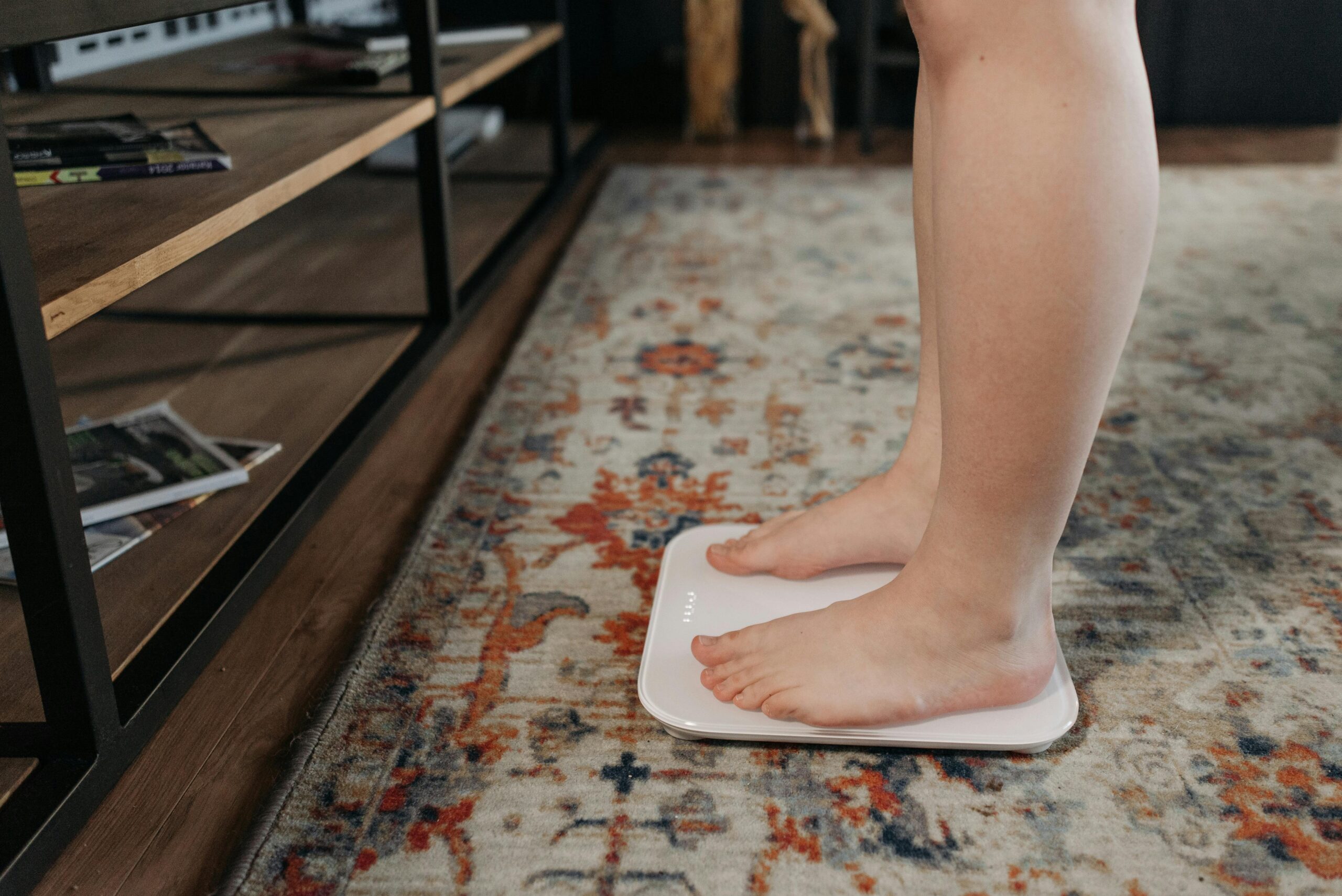
Walking is more than just physical exercise—it’s an opportunity to reconnect with yourself, quiet your mind, and cultivate presence in each step you take.

In our fast-paced world filled with constant notifications and endless to-do lists, we often move through our days on autopilot, missing the richness of the present moment. Mindful walking offers a powerful antidote to this disconnection, transforming an ordinary activity into a profound meditation practice. By combining the natural rhythm of walking with intentional awareness and reflection prompts, you can create a deeply therapeutic experience that nourishes both body and mind.
Whether you’re strolling through a park, walking to work, or simply pacing around your neighborhood, every step can become an opportunity for transformation. This practice doesn’t require special equipment, extensive training, or even a particular destination—just your willingness to show up fully for yourself.
🌟 Understanding Mindful Walking: More Than Just a Stroll
Mindful walking is the practice of bringing full awareness to the act of walking itself. Unlike exercise walking where the focus is on burning calories or reaching a destination quickly, mindful walking emphasizes the journey over the destination. It’s about noticing the sensation of your feet touching the ground, the rhythm of your breath, the sounds around you, and the thoughts moving through your mind.
This ancient practice has roots in Buddhist meditation traditions, where walking meditation serves as a complement to seated practice. However, you don’t need to follow any particular spiritual tradition to benefit from mindful walking. It’s a secular, accessible practice that anyone can incorporate into their daily routine.
Research shows that combining walking with mindfulness offers compounded benefits. Studies indicate that mindful walking can reduce anxiety, improve mood, enhance cognitive function, and even lower blood pressure. The rhythmic nature of walking naturally supports meditative states, making it easier for many people to maintain focus compared to seated meditation.
Preparing Your Mind and Body for the Practice
Before you begin your mindful walk, take a moment to set an intention. This doesn’t need to be elaborate—simply acknowledge that you’re dedicating this time to presence and self-connection. Start by standing still for a few breaths, feeling your feet firmly planted on the ground and noticing the sensations in your body.
Leave your phone on silent or, better yet, leave it behind entirely. If you need it for safety, resist the urge to check notifications. This is your time to disconnect from external demands and reconnect with your inner landscape.
Choose a pace that feels natural and sustainable. Mindful walking isn’t about speed—it can be done at any tempo. Some practitioners prefer a very slow, deliberate pace where each step becomes highly conscious. Others find a moderate, natural walking rhythm works best. Experiment to discover what supports your awareness most effectively.
🚶♀️ The Basic Technique: Finding Your Rhythm
Begin by bringing attention to your breath. Notice its natural rhythm without trying to control it. As you start walking, coordinate your steps with your breathing. You might inhale for three steps and exhale for three steps, or find whatever ratio feels comfortable and natural.
Focus on the physical sensations of walking. Feel the heel of your foot making contact with the ground, the rolling motion through your foot, and the push-off from your toes. Notice the shifting of weight from one leg to the other. Pay attention to how your arms swing naturally, how your shoulders move, and how your entire body coordinates this complex activity we usually take for granted.
When your mind wanders—and it will—gently guide your attention back to the sensations of walking. There’s no need to judge yourself for losing focus. Mind-wandering is completely normal. The practice is in noticing when it happens and compassionately returning to the present moment.
Powerful Reflection Prompts to Deepen Your Practice
Once you’ve established the basic rhythm of mindful walking, you can introduce reflection prompts to explore different aspects of your inner experience. These prompts serve as gentle guides, helping you investigate your thoughts, emotions, and patterns with curiosity rather than judgment.
Gratitude-Focused Prompts
As you walk, bring to mind something you’re grateful for. It might be your body’s ability to move, the natural beauty around you, or a person who supports you. With each step, silently repeat “thank you” or simply hold the feeling of gratitude in your awareness. Notice how this shifts your emotional state and perception.
Consider these specific prompts: What simple pleasure did I overlook today? What ability do I take for granted that deserves appreciation? Who made my life easier recently, even in a small way?
Self-Compassion Explorations
Walking provides an excellent opportunity to practice self-kindness. As you move, notice if you’re holding tension anywhere in your body. Send compassion to those areas. If you’ve been self-critical lately, use your walk to counter that inner voice with gentler messages.
Try these prompts: What would I say to a friend facing my current challenge? Where am I being unnecessarily hard on myself? What does my body need from me right now?
🧭 Present Moment Awareness Questions
These prompts help anchor you more deeply in the here and now, training your mind to notice what’s actually happening rather than getting lost in stories about the past or future.
Ask yourself: What am I seeing right now that I’ve never noticed before? What sounds are in my environment at this exact moment? How does the air feel against my skin? What emotions are present without any story attached to them?
Life Reflection Prompts
Mindful walks can also serve as moving meditation sessions where you contemplate bigger questions about your life, values, and direction. These deeper prompts work best when you’ve already established a calm, present state through the basic technique.
Explore questions like: What matters most to me right now? Am I spending my time and energy in alignment with my values? What small change would make the biggest difference in my wellbeing? What am I holding onto that no longer serves me?
Creating Themed Walking Meditations
You can design entire walks around specific themes, creating a more structured meditation experience. This approach works particularly well if you walk regularly and want variety in your practice.
The Forgiveness Walk
Dedicate your walk to releasing resentment and cultivating forgiveness—for others or yourself. With each exhale, imagine letting go of a grudge, hurt, or self-criticism. This doesn’t mean condoning harmful behavior; it means freeing yourself from the burden of carrying pain.
The Sensory Awareness Walk
Focus each segment of your walk on a different sense. Spend five minutes noticing only what you see, then shift to sounds, then to physical sensations, then to smells. This practice heightens your perceptual awareness and pulls you firmly into present-moment experience.
The Body Appreciation Walk
As you walk, systematically bring awareness to different parts of your body, offering appreciation for what each part does for you. Thank your feet for supporting you, your legs for carrying you forward, your heart for beating steadily, your lungs for breathing automatically.
💫 Overcoming Common Challenges
Even experienced practitioners encounter obstacles in mindful walking. Understanding these challenges helps you navigate them with patience and skill.
The Busy Mind Problem
If your mind feels particularly chaotic, try counting your steps. Count from one to ten repeatedly, starting over each time you reach ten. This gives your mind a simple task that supports rather than distracts from mindfulness. Alternatively, use a simple mantra coordinated with your steps, such as “here” on the inhale and “now” on the exhale.
External Distractions
Traffic, other people, and urban noise are inevitable parts of many walking environments. Rather than viewing these as obstacles, include them in your practice. Notice the sound of a car passing without creating a story about it. Observe people you pass with kind attention. Let the environment be part of your meditation rather than something to overcome.
Physical Discomfort
If you experience pain or significant discomfort while walking, address it practically. Adjust your pace, stop to stretch, or end your walk if needed. Mindfulness doesn’t mean ignoring your body’s signals—it means listening to them with clarity and responding appropriately.
Integrating Technology Mindfully
While unplugged walks offer the purest experience, technology can sometimes support your practice, especially when you’re beginning. Meditation apps with guided walking meditations can provide structure and instruction until the practice becomes second nature.
If you choose to use an app, select guided sessions specifically designed for walking meditation. Set your phone to Do Not Disturb mode so notifications don’t interrupt your practice. Consider using the app only until you’ve internalized the basic techniques, then gradually transition to unguided walks.
🌱 Building a Sustainable Practice
Consistency matters more than duration when establishing a mindful walking practice. Start with just ten minutes a day rather than attempting hour-long walks that you can’t sustain. As the practice becomes habitual, you can naturally extend your sessions.
Attach your mindful walk to an existing routine. Perhaps you take ten minutes after lunch, walk mindfully to or from work, or do an evening reflection walk before dinner. This “habit stacking” approach increases the likelihood that your practice will stick.
Track your practice in whatever way feels motivating without becoming obsessive. Some people benefit from a simple journal noting what they noticed during each walk. Others prefer to simply maintain the practice without documentation. Experiment to find what works for you.
Adapting the Practice to Different Environments
Mindful walking looks different in nature versus urban settings, but both offer unique benefits and opportunities for awareness.
Nature Walking
Natural environments naturally support mindfulness with their beauty and relative quiet. When walking in nature, let your awareness expand to include the larger ecosystem. Notice the interconnection between plants, insects, birds, and weather. Consider prompts like: How does nature move without rushing? What can I learn from the patience of trees?
Urban Walking
Cities provide rich sensory experiences and opportunities to practice equanimity amid chaos. Urban mindful walking develops your ability to maintain inner calm regardless of external circumstances. Use the cityscape as your meditation hall, finding stillness within movement, and silence within noise.
Indoor Walking
When weather or circumstances keep you inside, you can practice mindful walking in your home. While the physical distance may be limited, the internal journey remains profound. Walking slowly back and forth in a hallway or around a room requires even more attention and intention, making it an advanced practice despite its simplicity.
🎯 Advanced Practices for Deepening Experience
Once the basic practice feels established, you might explore these advanced variations that intensify awareness and insight.
Super Slow Walking
Reduce your pace to an extremely slow tempo, taking perhaps thirty seconds or more per step. This heightened slow-motion experience reveals micro-sensations and movements usually missed at normal speed. It also challenges your patience and tests your ability to stay present when nothing dramatic is happening.
Barefoot Walking
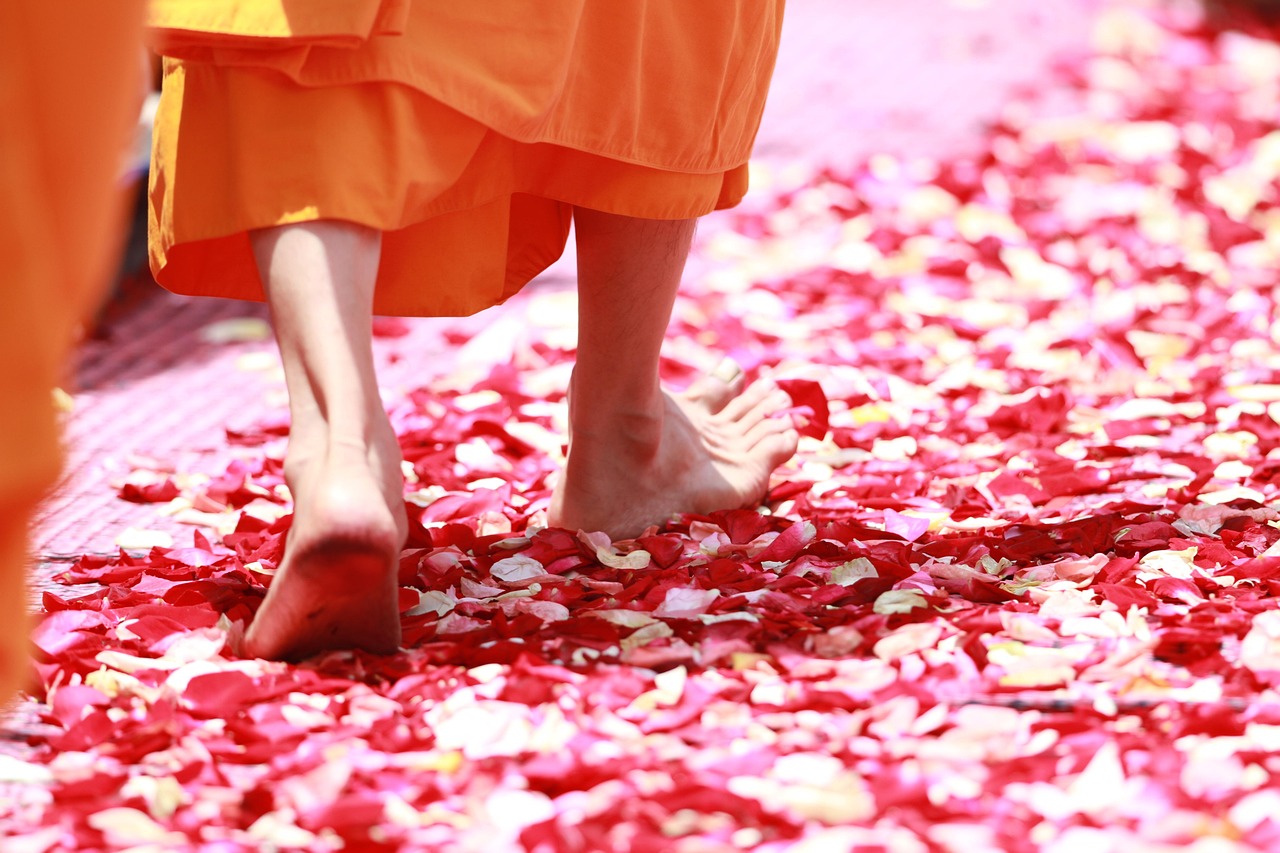
When safe and appropriate, walking barefoot dramatically increases sensory feedback. You’ll notice texture, temperature, and pressure with much greater clarity. This practice strengthens the mind-body connection and grounds you literally and figuratively.
Walking with Metta (Loving-Kindness)
As you walk, silently offer well-wishes to yourself and others. Begin with yourself: “May I be happy, may I be healthy, may I be safe.” Then extend these wishes to people you pass, to loved ones, to difficult people in your life, and finally to all beings everywhere. This practice cultivates compassion while you move through the world.
Measuring Progress Without Losing the Point
Paradoxically, mindfulness practice works best when we release attachment to outcomes and progress. Yet naturally, we want to know if our practice is “working.” Rather than looking for dramatic transformations, notice subtle shifts: Do you recover from stress more quickly? Do you notice beauty more often? Are you slightly more patient with yourself and others?
Progress in mindful walking isn’t about reaching some permanent state of bliss. It’s about developing the capacity to return to presence more quickly when you’ve drifted away. It’s the growing ability to meet life’s challenges with slightly more calm and clarity. These small shifts compound over time into significant transformation.
Your Journey Begins With a Single Step 🌟
Mindful walking is simultaneously simple and profound, requiring no special equipment yet offering deep transformation. By stepping into awareness with each walk, you’re training your mind to live more fully in the present moment—not just during your practice, but throughout your entire life.
The reflection prompts and techniques offered here are starting points, not rigid rules. Let your practice evolve organically, following your curiosity and responding to what your inner life needs. Some days you might walk with structured prompts; other days, simple breath awareness might be exactly right.
Remember that every step taken with awareness is a success, every moment of presence is valuable, and every time you return your wandering mind to the present is a small victory. Your mindful walking practice is uniquely yours—there’s no competition, no perfect way to do it, and no destination to reach.
Begin today. Step outside your door, take a breath, and walk with intention. Transform your daily movement into a moving meditation that nourishes your mind, body, and spirit. The path of mindfulness is walked one conscious step at a time, and that journey begins right now.