Walking is one of the most natural activities we perform daily, yet most of us move through the world on autopilot, disconnected from the present moment. Mindful walking offers a powerful antidote to this unconscious living.

By transforming your ordinary strolls into meditation in motion, you can reduce stress, enhance mental clarity, and reconnect with your body and surroundings. This ancient practice, rooted in Buddhist traditions but accessible to everyone, requires no special equipment or training—just your willingness to pay attention. Whether you’re walking to work, strolling through a park, or simply moving from room to room, each step presents an opportunity for mindfulness and transformation.
🌿 Understanding the Essence of Walking Meditation
Walking meditation, or kinhin in Zen Buddhism, bridges the gap between formal sitting meditation and active daily life. Unlike regular walking where your mind wanders freely, mindful walking intentionally focuses your attention on the physical sensations, movements, and environment surrounding each step.
The practice doesn’t require you to walk slowly or adopt any particular posture, though many practitioners find a deliberate pace helpful initially. The core principle involves bringing full awareness to the experience of walking itself—the feeling of your feet touching the ground, the rhythm of your breath, the swing of your arms, and the countless sensations that arise moment by moment.
Research published in journals like Mindfulness and the Journal of Clinical Psychology has demonstrated that regular walking meditation can significantly reduce anxiety, improve emotional regulation, and enhance overall well-being. The practice activates the parasympathetic nervous system, promoting relaxation while keeping you alert and engaged with your surroundings.
Getting Started: Your First Mindful Steps 👣
Beginning a walking meditation practice requires nothing more than setting an intention and choosing a place to walk. You can practice anywhere—a quiet park, a hallway in your home, a busy sidewalk, or even while grocery shopping.
Finding Your Walking Space
For beginners, a quiet, flat path of about 20-30 feet works ideally. This allows you to walk back and forth without navigating obstacles while you develop your awareness. Parks, gardens, quiet streets, or even your backyard provide excellent starting points. As you become more comfortable, you can extend the practice to any walking you do throughout the day.
Establishing Your Baseline Awareness
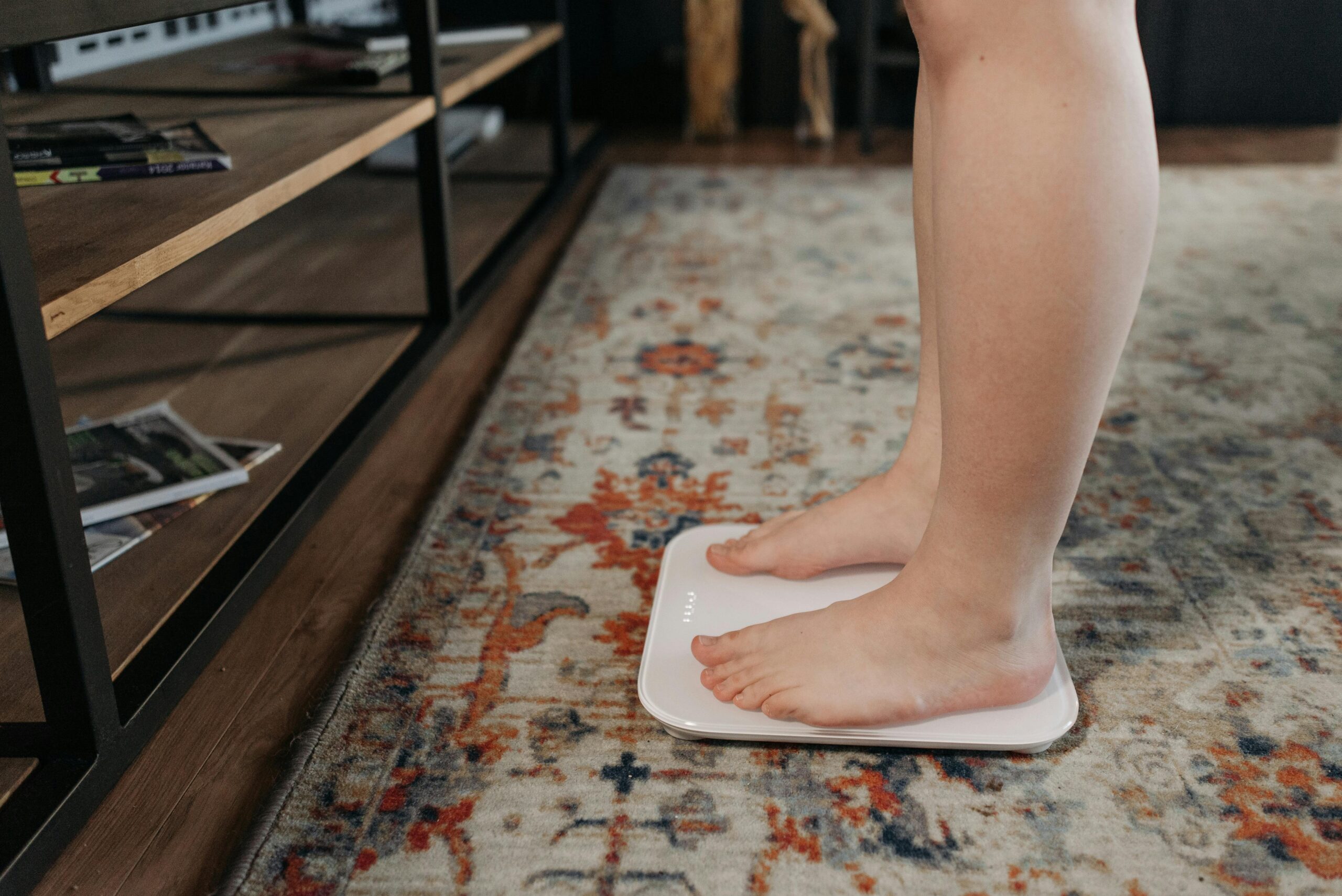
Before you begin walking, stand still for a moment. Feel the ground beneath your feet, notice your posture, and take three conscious breaths. This pause creates a transitional space between your previous activity and the mindful walk ahead. Acknowledge any thoughts or feelings present without judgment, then gently shift your attention to your body.
The Basic Walking Meditation Technique
Start walking at a natural, comfortable pace—slower than usual but not unnaturally slow. Direct your attention to the soles of your feet, noticing the sensations as your heel lifts, your foot moves through space, and your heel touches down again. Feel the shift of weight from one foot to the other, the texture of the ground beneath you, and the muscles engaging throughout your legs.
When your mind wanders—and it will—simply notice where it went without criticism and gently return your attention to the physical sensations of walking. This moment of noticing and returning is actually the practice itself, not a failure or distraction from it.
🧘♀️ Different Approaches to Walking Awareness
Walking meditation isn’t a one-size-fits-all practice. Various traditions and teachers emphasize different aspects of the experience, allowing you to find the approach that resonates most deeply with you.
The Sensory Scan Method
This approach systematically moves attention through different body parts and sensations. Begin with your feet, spending several minutes noticing every sensation there. Gradually expand awareness to your ankles, calves, knees, thighs, hips, and continue upward through your torso, arms, neck, and head. This comprehensive body scan while walking creates deep relaxation and embodied awareness.
Breath-Synchronized Walking
Coordinate your steps with your breathing pattern. You might take three steps while breathing in and three steps while breathing out, or find whatever ratio feels natural. This technique anchors attention in two simultaneous experiences—the breath and the footsteps—creating a powerful present-moment focus that quiets mental chatter.
Environmental Awareness Practice
Rather than focusing inward on body sensations, this method directs attention outward to your surroundings. Notice colors, shapes, sounds, smells, and the quality of light. Observe without labeling or judging—simply allow sensory information to flow through your awareness. This approach works particularly well in nature or visually interesting environments.
Noting Practice
Borrowed from Vipassana meditation, noting involves mentally labeling experiences as they arise: “lifting, moving, placing” for each step, or “seeing, hearing, feeling” for different sensory experiences. The labels should be light and quick, serving as gentle reminders to stay present rather than becoming a mental task that distances you from direct experience.
Transforming Routine Walks into Mindful Moments ✨
The real transformation happens when mindfulness extends beyond dedicated practice sessions into your everyday walking. These techniques help you integrate awareness into routine activities without adding time to your busy schedule.
The First Hundred Steps Technique
Whenever you begin walking somewhere—leaving your house, office, or car—commit to making the first hundred steps fully mindful. Count them if helpful, maintaining awareness of each footfall. After reaching one hundred, you can continue with mindful awareness or transition to regular walking, knowing you’ve established a foundation of presence.
Doorway Triggers
Use doorways and thresholds as automatic mindfulness reminders. Each time you pass through a door, take one fully conscious breath and notice three physical sensations—perhaps your feet on the floor, your hand on the doorknob, and the air temperature. This micro-practice, repeated throughout the day, builds continuous mindfulness.
Commute Consciousness
Transform your daily commute into practice time. If you walk to work or park some distance away, dedicate that journey to mindful walking. Notice the changing scenery, the rhythm of your stride, and how your body responds to hills, stairs, or different surfaces. Even crowded urban walking offers rich opportunities to practice presence amidst stimulation.
Nature Immersion Walks
When possible, walk in natural settings with explicit intention to connect with the environment. Leave your phone silent, walk without destination or time pressure, and allow your senses to fully engage with trees, birds, water, and earth. Research shows that combining mindfulness with nature exposure produces particularly strong benefits for mental health and stress reduction.
🌟 Overcoming Common Challenges
Like any meditation practice, walking mindfulness presents obstacles that can discourage beginners. Understanding these challenges helps you navigate them skillfully.
The Wandering Mind Dilemma
The most common complaint is “my mind keeps wandering.” This is completely normal and expected. The human mind naturally generates thoughts—that’s its function. Mindfulness isn’t about stopping thoughts but changing your relationship with them. Each time you notice your mind has wandered, celebrate that awareness as a moment of mindfulness, then gently return attention to walking.
Self-Consciousness in Public
Many people feel awkward practicing mindful walking in public spaces. Remember that mindful walking doesn’t require unusual behavior—you can practice at a normal pace without attracting attention. Your internal experience shifts dramatically even when your external appearance remains ordinary. If self-consciousness arises, acknowledge it as just another sensation to observe with friendly curiosity.
Impatience and Boredom
Modern minds accustomed to constant stimulation often find simple awareness practices boring initially. When boredom appears, investigate it with interest: Where do you feel it in your body? What thoughts accompany it? How does it change moment to moment? Boredom often signals your mind resisting the present moment—working with it directly provides valuable insight.
Physical Discomfort
Pain, tension, or discomfort may arise during walking meditation. First, ensure you’re not causing injury by walking on uneven terrain or adopting unnatural postures. Beyond genuine safety concerns, discomfort offers opportunities to practice equanimity—observing sensations without immediately reacting to them. This builds resilience that extends to all life challenges.
📱 Technology and Walking Mindfulness
While the essence of mindfulness involves disconnecting from digital distractions, certain apps can support your practice, especially when starting out. Guided walking meditations provide structure and instruction until the practice becomes natural.
Apps like Insight Timer offer numerous free guided walking meditations from various teachers and traditions. The variety helps you discover which approaches resonate most with your temperament and goals.
However, use technology mindfully. Once you’ve learned the basics, practice without audio guidance whenever possible. The goal is developing internal awareness rather than external dependence. If using an app during walks, consider using only the interval bell feature that sounds periodically to remind you to check your awareness without continuous verbal instruction.
🔄 Deepening Your Practice Over Time
As walking mindfulness becomes familiar, you can explore subtler dimensions of the practice that reveal deeper insights and benefits.
Investigating Impermanence
With established awareness, begin noticing how every sensation arises, exists briefly, and passes away. Each step is unique, never precisely repeated. Sounds come and go, thoughts emerge and dissolve, even “solid” sensations constantly fluctuate. This direct experience of impermanence—a central Buddhist teaching—reduces attachment and anxiety when observed consistently.
Exploring Interconnection
Expand awareness to recognize the countless conditions supporting each step: the ground formed over millennia, the shoes created by distant workers, the food providing energy, the genetic inheritance giving you legs, the oxygen generated by plants. This contemplation cultivates gratitude and a sense of belonging to something larger than your individual self.
Walking with Specific Intentions
Direct your practice toward particular qualities you wish to develop. Walk with intention to cultivate compassion, noticing suffering in yourself and others. Walk to generate energy, emphasizing the vitality in each movement. Walk to release tension, consciously softening with each exhale. These focused practices harness walking meditation for specific personal development goals.
💡 Integrating Insights into Daily Life
The ultimate purpose of walking meditation extends beyond the practice itself—it’s about transforming how you inhabit your life moment by moment.
Skills developed through mindful walking transfer naturally to other activities. The patience cultivated when your mind wanders helps when dealing with difficult emotions or people. The ability to notice without immediately reacting creates space for wiser choices. The appreciation for simple sensory experience combats the constant craving for novel stimulation that characterizes modern life.
Many practitioners report that regular walking meditation fundamentally changes their relationship with time. Rather than always rushing toward the next moment, they find themselves more present and satisfied with current experience. This shift doesn’t make you less productive—it often enhances effectiveness by reducing the mental friction of resistance and distraction.
Building a Sustainable Practice 🌱
Consistency matters more than duration or intensity. A brief daily practice produces more transformation than occasional lengthy sessions. Here are strategies for making walking mindfulness a lasting part of your life:
- Start small: Commit to just five minutes daily rather than ambitious goals that become burdensome. You can always extend organically once the habit establishes itself.
- Link to existing routines: Practice during walks you already take—to your car, around your office building at lunch, or walking your dog. Piggybacking on established habits builds consistency.
- Track without judgment: Note your practice in a journal or app, but avoid self-criticism on missed days. Simply observe patterns and gently return to intention.
- Find community: Walking meditation groups exist in many areas, or you can start one. Practicing with others provides motivation, accountability, and shared wisdom.
- Periodically refresh: When practice feels stale, experiment with different techniques, locations, or times of day. Variety prevents mechanical repetition while maintaining the core of mindful awareness.
The Ripple Effects of Each Mindful Step 🌊
What begins as simple attention to walking gradually influences every aspect of life. Practitioners often notice improved relationships as they listen more fully and react less automatically. Work performance may enhance through better focus and reduced stress. Physical health sometimes improves as awareness reveals habitual tension patterns or poor posture that can be corrected.
Perhaps most significantly, mindful walking cultivates what psychologists call “psychological flexibility”—the ability to stay present with experience while acting in accordance with values rather than merely reacting to discomfort. This capacity underlies resilience, life satisfaction, and mental health across diverse circumstances.
Your everyday strolls contain extraordinary potential for transformation. Each step offers a choice: to remain lost in thought about past and future, or to fully inhabit the miracle of this present moment. Walking mindfulness doesn’t add another task to your overwhelming schedule—it transforms time you’re already spending into opportunities for peace, clarity, and genuine connection with life as it unfolds.
The path of a thousand miles begins with a single mindful step. Why not take that step right now? Stand up, feel your feet on the ground, and walk consciously for just one minute. Notice what happens. That simple experiment might just change how you move through the world forever.