Modern life moves fast, and stress can hit us when we least expect it. Whether you’re stuck in traffic, facing a difficult conversation, or overwhelmed by your to-do list, finding quick relief is essential for your mental and physical well-being.

The good news is that you don’t need hours of meditation or expensive therapy sessions to feel calmer. Simple, evidence-based techniques can help you regain your peace in minutes, no matter where you are or what you’re doing. These quick calm practices are your portable toolkit for managing stress effectively.
🌬️ The Power of Breathwork for Instant Relief
Your breath is the most accessible stress-relief tool you possess. When anxiety strikes, your breathing becomes shallow and rapid, triggering your body’s fight-or-flight response. By consciously controlling your breath, you can reverse this reaction and signal safety to your nervous system.
The 4-7-8 breathing technique is particularly effective for quick calm. Inhale through your nose for four counts, hold your breath for seven counts, and exhale slowly through your mouth for eight counts. This pattern activates your parasympathetic nervous system, which promotes relaxation and reduces cortisol levels.
Box breathing, used by Navy SEALs in high-pressure situations, offers another powerful option. Breathe in for four counts, hold for four, exhale for four, and hold again for four. Repeat this cycle four to five times, and you’ll notice your heart rate slowing and your mind clearing.
Alternate Nostril Breathing for Balance
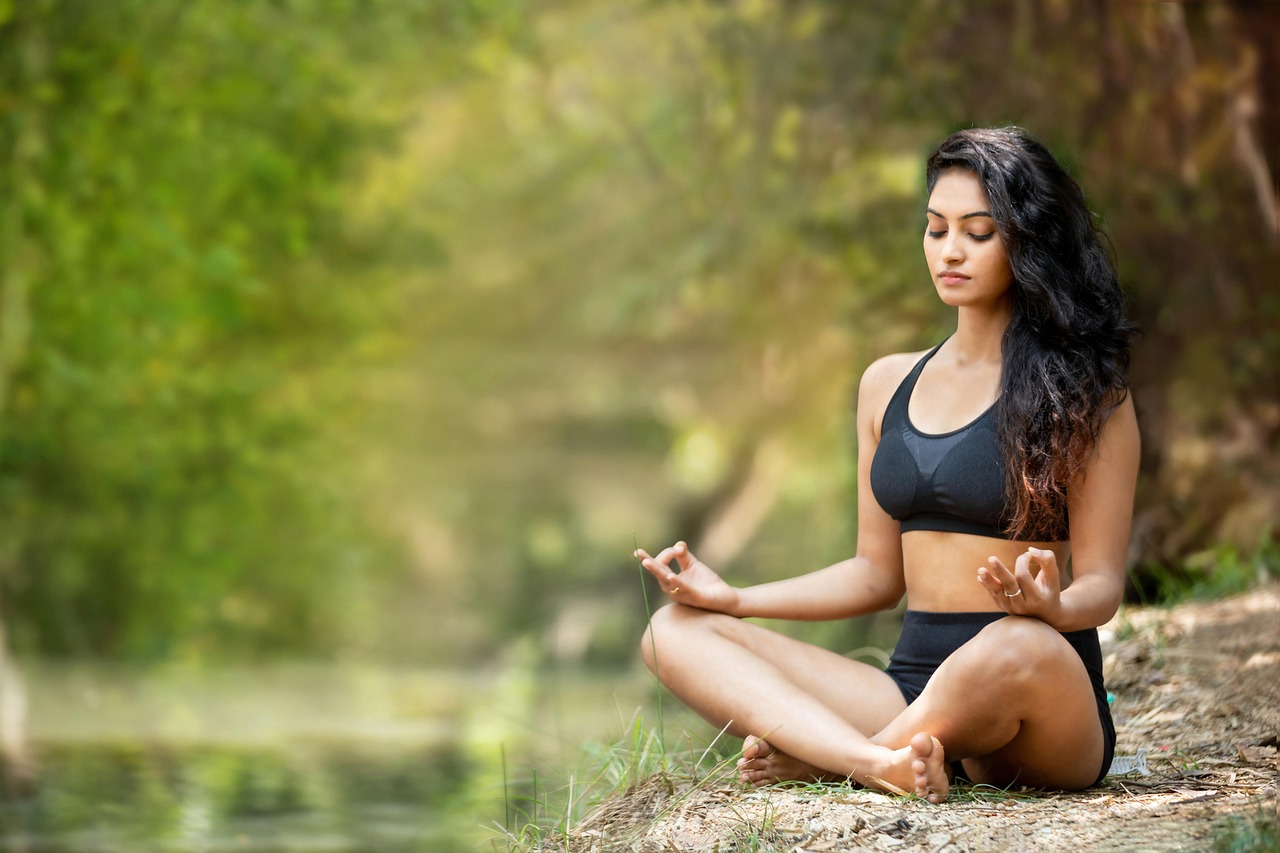
This ancient yogic practice balances both hemispheres of your brain while calming your nervous system. Close your right nostril with your thumb, inhale through the left nostril, then close the left nostril with your ring finger and exhale through the right. Continue alternating for two to three minutes.
💆 Progressive Muscle Relaxation in Minutes
Stress manifests physically in tense shoulders, clenched jaws, and tight muscles throughout your body. Progressive muscle relaxation helps you identify and release this tension systematically, creating a cascade of calm throughout your entire system.
Start with your feet and work upward. Tense each muscle group for five seconds, then release completely for ten seconds. Notice the difference between tension and relaxation. Move through your calves, thighs, buttocks, abdomen, chest, arms, hands, neck, and face.
This practice not only relieves immediate physical tension but also trains you to recognize stress signals earlier. With regular practice, you’ll catch tension before it accumulates into chronic stress or pain.
🧘 Mindfulness Micro-Practices for Busy Lives
You don’t need to sit cross-legged for thirty minutes to experience mindfulness benefits. Micro-practices lasting one to three minutes can significantly reduce stress levels and improve focus throughout your day.
The STOP technique offers a structured approach: Stop what you’re doing, Take a breath, Observe your thoughts and feelings without judgment, and Proceed with intention. This four-step process creates a pause between stimulus and response, giving you choice in how you react.
The Five Senses Reset
Ground yourself instantly by engaging each sense deliberately. Identify five things you can see, four things you can touch, three things you can hear, two things you can smell, and one thing you can taste. This exercise pulls you out of anxious thoughts and anchors you firmly in the present moment.
For stress relief on the go, several mindfulness apps can guide you through quick practices. Headspace offers SOS exercises specifically designed for moments of acute stress, providing guided sessions as short as one minute.
🌿 Nature Connection for Nervous System Regulation
Even brief exposure to nature reduces cortisol, lowers blood pressure, and improves mood. You don’t need to hike in the mountains; a few minutes with any natural element can shift your physiological state dramatically.
If you’re indoors, look out a window at trees or sky. Studies show that even viewing nature scenes activates the same calming brain regions as being outdoors. Keep a small plant on your desk and spend sixty seconds observing its details when stress rises.
During breaks, step outside for a quick nature connection. Feel the sun on your face, notice the wind, listen to birds, or touch tree bark. These sensory experiences with natural elements communicate safety to your primitive brain, which evolved in natural environments.
Earthing for Electrical Balance
Removing your shoes and standing barefoot on grass, soil, or sand for just five minutes helps balance your body’s electrical charge. This practice, called earthing or grounding, has been shown to reduce inflammation and stress hormones while improving sleep quality.
✍️ Rapid Journaling Techniques for Mental Clarity
Writing externalizes swirling thoughts, creating psychological distance from your worries. You don’t need to craft perfect prose; the act of moving thoughts from mind to paper provides relief regardless of style or grammar.
The brain dump technique involves setting a timer for three minutes and writing continuously without stopping or editing. Let everything pour out—worries, tasks, frustrations, random thoughts. This clears mental clutter and often reveals solutions hidden beneath the noise.
Gratitude quick-lists shift your focus from problems to positives. List three specific things you’re grateful for right now, including why they matter. This practice activates reward pathways in your brain, countering stress-induced negativity bias.
🎵 Sound and Music for Emotional Regulation
Sound vibrations directly affect your nervous system. Specific frequencies and rhythms can slow your heart rate, reduce anxiety, and promote feelings of safety and calm within minutes.
Binaural beats work by playing slightly different frequencies in each ear, creating a third tone that your brain perceives. Listening to binaural beats in the alpha range (8-13 Hz) promotes relaxation, while theta waves (4-7 Hz) encourage deep meditation states.
Classical music, particularly baroque compositions played at 60 beats per minute, synchronizes with your resting heart rate and promotes coherence in your nervous system. Nature sounds—rain, ocean waves, forest ambiance—trigger evolutionary calm responses.
Humming and Toning for Vagal Stimulation
Your vagus nerve, which regulates your rest-and-digest response, runs through your vocal cords. Humming, singing, or making “om” sounds stimulates this nerve, directly activating your body’s calming mechanisms. Try humming for two minutes when stress strikes.
🏃 Movement Practices That Discharge Stress Energy
Stress hormones prepare your body for physical action. When you don’t move, these chemicals remain in your system, maintaining tension and anxiety. Brief movement practices help metabolize stress hormones and restore equilibrium.
The “shake it out” technique involves literally shaking your body for one to two minutes. Animals instinctively shake after stressful encounters to discharge activation. Stand with knees slightly bent and shake your hands, arms, legs, and whole body vigorously.
Mini movement breaks every hour prevent stress accumulation. Stand and stretch, do ten jumping jacks, walk up and down stairs, or practice a few yoga poses. Even two minutes of movement significantly reduces cortisol levels and improves mood.
Stress-Release Yoga Sequences
Certain yoga poses specifically target the areas where stress accumulates. Child’s pose calms your nervous system while releasing lower back tension. Cat-cow movements massage your spine and release shoulder tightness. Legs-up-the-wall pose reverses blood flow and activates relaxation responses.
☕ Strategic Hydration and Nutrition for Stress Management
Dehydration intensifies stress responses, while certain nutrients support your nervous system’s ability to handle pressure. Quick nutritional interventions can significantly impact your stress levels.
Drinking a full glass of water slowly provides immediate benefits. Dehydration of even 1-2% impairs cognitive function and increases perceived stress. The act of slow, mindful drinking also serves as a brief meditation practice.
Dark chocolate (70% cacao or higher) contains compounds that reduce cortisol and improve mood within thirty minutes. Keep small portions available for particularly stressful moments. Herbal teas like chamomile, lemon balm, or holy basil offer calming compounds that take effect within 15-20 minutes.
🤝 Social Connection Micro-Moments
Brief positive social interactions trigger oxytocin release, which counters stress hormones and promotes feelings of safety and belonging. You don’t need long conversations; even small connections provide benefits.
Send a quick text to someone you appreciate, expressing specific gratitude. Make genuine eye contact and smile at a stranger. Share a laugh with a colleague. Pet an animal if available—this releases oxytocin in both you and the animal.
If you’re alone, even looking at photos of loved ones or watching uplifting videos of human kindness can activate similar neural pathways and provide stress relief.
🧊 Temperature Therapy for Rapid State Changes
Temperature shifts provide powerful nervous system interventions. Cold exposure stimulates your vagus nerve and releases norepinephrine, which improves focus and mood while reducing inflammation.
Splash cold water on your face or hold ice cubes in your hands for 30 seconds. This triggers the dive reflex, automatically slowing your heart rate and calming anxiety. For a more intense intervention, take a one-minute cold shower or immerse your face in ice water.
Conversely, warmth relaxes muscles and promotes feelings of safety. Hold a warm beverage, use a heating pad, or take a brief warm shower. The physical warmth creates psychological warmth, reducing feelings of social isolation that often accompany stress.
🎯 Creating Your Personal Quick Calm Toolkit
The most effective approach involves identifying which techniques resonate with you personally and having them ready when stress strikes. Different situations and stress types respond better to specific interventions.
Experiment with each technique during relatively calm moments first. Notice which practices feel most natural and produce the strongest relief. Create a personalized list of your top three to five techniques, organized by context—what works at your desk might differ from what helps during commutes.
Build these practices into regular routines rather than saving them only for crisis moments. Prevention is more effective than intervention. Schedule quick calm breaks throughout your day, treating them as essential maintenance rather than optional luxuries.
Tracking What Works for You
Keep brief notes about which techniques help in different situations. Rate your stress on a scale of 1-10 before and after each practice. This data reveals patterns and helps you refine your personal toolkit over time.
| Stress Type | Best Quick Calm Practice | Time Required |
|---|---|---|
| Acute anxiety | 4-7-8 breathing | 2-3 minutes |
| Physical tension | Progressive muscle relaxation | 5-10 minutes |
| Mental overwhelm | Brain dump journaling | 3-5 minutes |
| Energy depletion | Cold water exposure | 1-2 minutes |
| Emotional distress | Social connection | 2-5 minutes |
🌟 Building Stress Resilience Over Time
While these quick practices provide immediate relief, consistent use builds long-term resilience. Each time you successfully calm yourself, you strengthen neural pathways that make future regulation easier and more automatic.
Your nervous system learns from repetition. Regular practice during low-stress moments trains your system to access calm states more readily during high-stress situations. Think of these techniques as both emergency tools and preventive medicine.
Layer multiple practices for compound benefits. Combine breathing with movement, or pair gratitude with nature connection. These combinations create synergistic effects that exceed individual practices alone.
💡 Making Quick Calm Sustainable
The simplicity of these practices is their strength. You don’t need equipment, special settings, or large time investments. This accessibility makes them sustainable for real life, where perfection isn’t possible and consistency matters more than intensity.
Start with just one technique and practice it daily for a week before adding others. Mastery of a few practices serves you better than superficial knowledge of many. Let your toolkit grow organically based on what actually helps rather than what sounds appealing.
Share these practices with others. Teaching reinforces your own learning, and creating a culture of stress management in your workplace or family normalizes self-care and mutual support.
Remember that stress is inevitable, but suffering is optional. These quick calm practices give you agency in moments when life feels overwhelming. They transform you from a passive victim of stress into an active participant in your own well-being, capable of finding peace anytime, anywhere.
Your calm is not a luxury reserved for vacations or retirement. It’s a skill you can cultivate and access right now, in this moment, with tools you already possess. Start with a single conscious breath, and discover the profound peace available to you in every moment.