
In our fast-paced modern world, finding moments of peace can feel like an impossible task. Yet nature offers a sanctuary where mindfulness meets movement, creating the perfect opportunity for inner calm and physical rejuvenation through the ancient practice of walking meditation.

Mindful walking on nature trails combines the therapeutic benefits of being outdoors with the intentional awareness of meditation. This practice transforms an ordinary walk into a profound experience of connection—with yourself, the earth beneath your feet, and the natural world surrounding you. Whether you’re seeking stress relief, mental clarity, or simply a break from digital overwhelm, nature trails provide the ideal setting for this transformative practice.
🌿 Understanding the Essence of Mindful Walking
Mindful walking differs significantly from regular exercise or hiking. While traditional walking focuses on reaching a destination or burning calories, mindful walking centers on the journey itself. Every step becomes an anchor to the present moment, pulling your attention away from worries about the future or regrets about the past.
The practice involves bringing conscious awareness to the physical sensations of walking—the contact of your feet with the ground, the rhythm of your breath, the movement of your body through space. This deliberate attention activates the parasympathetic nervous system, triggering your body’s natural relaxation response and counteracting the stress hormones that accumulate during daily life.
Research from environmental psychology demonstrates that combining mindfulness techniques with nature exposure produces synergistic benefits that exceed either practice alone. The natural environment provides sensory richness that supports focused attention while simultaneously allowing mental restoration through what researchers call “soft fascination.”
The Science Behind Nature’s Healing Power
Scientific studies consistently reveal the remarkable impact of nature on human wellbeing. Japanese researchers studying “forest bathing” or shinrin-yoku discovered that spending time among trees reduces cortisol levels, lowers blood pressure, and enhances immune function. The phytoncides released by trees—natural compounds that protect plants from insects and decay—actually boost our natural killer cells when we breathe them in.
Nature trails offer unique therapeutic qualities that urban environments cannot replicate. The fractal patterns found in trees, clouds, and coastlines have been shown to reduce stress by up to 60% within just a few minutes of observation. The color green, predominant in natural settings, has calming effects on the nervous system and has been associated with reduced anxiety and improved mood.
Furthermore, the unpredictable yet harmonious sounds of nature—birdsong, rustling leaves, flowing water—create what acousticians call a “natural soundscape” that enhes mental focus while promoting relaxation. These sounds mask the jarring, unpredictable noises of urban life that keep our stress response activated.
🥾 Preparing for Your Mindful Walking Practice
Successful mindful walking begins before you even step onto the trail. Preparation sets the foundation for a meaningful experience and ensures you can fully immerse yourself in the practice without unnecessary distractions or discomfort.
Choosing the Right Trail
Select a trail that matches your physical ability and mindfulness goals. For beginners, a relatively flat, well-maintained path of one to three miles offers the perfect introduction. The trail should be safe enough that you don’t need to concentrate intensely on navigation, allowing mental space for mindful awareness.
Consider trails with diverse natural features—streams, varied vegetation, or open meadows. This sensory variety provides natural focal points for your attention throughout the walk. However, avoid overly crowded trails, especially when you’re beginning your practice, as too many people can make it difficult to maintain inward focus.
Essential Preparation Tips
- Wear comfortable, weather-appropriate clothing that allows unrestricted movement
- Choose supportive footwear with good traction, but thin enough to feel ground textures
- Bring water to stay hydrated without being preoccupied with thirst
- Leave your phone on silent or airplane mode to minimize digital interruptions
- Inform someone of your walking plans for safety, especially on isolated trails
- Consider bringing a small journal to record insights after your walk
- Apply sunscreen and insect repellent beforehand to avoid mid-walk discomfort
The Art of Mindful Walking: Practical Techniques
Mindful walking is both simple and profound. While the concept is straightforward, mastering the practice requires patience and consistent effort. The following techniques will help you deepen your experience and extract maximum benefit from your time on the trail.
Beginning With Intention
Before taking your first step, pause at the trailhead and set a clear intention. This might be releasing stress, cultivating gratitude, seeking clarity on a specific issue, or simply being present. Take three deep breaths, feeling your feet firmly planted on the ground, establishing your connection to the earth.
Acknowledge that your mind will wander—this is natural and expected. The practice isn’t about achieving perfect concentration but about noticing when attention drifts and gently returning it to the present moment without judgment or frustration.
Walking With Awareness 🚶
Begin walking at a pace slower than your usual stride. Feel the heel of your foot make contact with the ground, then the rolling sensation through the arch, and finally the push-off from your toes. Notice the transfer of weight from one leg to the other, the swing of your arms, the engagement of your core muscles.
Synchronize your breath with your steps if it feels natural. You might inhale for three steps and exhale for three steps, or find whatever rhythm suits your body. The breath serves as an additional anchor, connecting movement with the life force flowing through you.
When thoughts arise—and they will—acknowledge them without attachment. Imagine them as clouds passing through the sky of your awareness. Label them gently (“planning,” “remembering,” “worrying”) and return attention to physical sensations or your breath.
Engaging the Senses
Periodically shift your awareness to different senses, spending several minutes with each. Notice five things you can see—the play of light through leaves, the texture of bark, the distant mountains. Identify four sounds—perhaps wind, birdsong, your footsteps, rustling vegetation. Recognize three things you can feel—air temperature, sun warmth, clothing against skin. Detect two scents—earth, pine, flowers. If appropriate, notice one taste—perhaps the freshness of mountain air.
This “5-4-3-2-1 technique” grounds you firmly in the present moment and activates full sensory engagement with your environment. It’s particularly helpful when you notice your mind has wandered into repetitive thought patterns or worry.
🌄 Overcoming Common Challenges
Even experienced practitioners encounter obstacles in mindful walking. Recognizing these challenges and having strategies to address them ensures your practice remains sustainable and rewarding.
The Restless Mind
If your mind feels particularly active or agitated, try counting steps up to ten, then starting over. This simple task occupies the thinking mind just enough to prevent it from spinning stories while keeping you anchored in the physical experience. Alternatively, use walking mantras—short phrases repeated silently with each step, such as “I am here now” or “peace with each step.”
Physical Discomfort
Minor discomforts are actually opportunities for mindfulness practice. Rather than immediately adjusting or stopping, first investigate the sensation with curiosity. Where exactly is the discomfort? Does it change or stay constant? What’s the quality—sharp, dull, aching? This inquiry transforms discomfort into a teacher rather than a distraction. Of course, genuine pain or injury requires appropriate attention and care.
Weather and Environmental Conditions
Challenging weather conditions—light rain, wind, heat, or cold—can actually deepen your practice by engaging your awareness more fully. Feel the rain on your skin, the wind against your body, the warmth of sunshine. These sensations become part of your meditation rather than obstacles to it. However, avoid genuinely dangerous conditions like thunderstorms, extreme temperatures, or icy trails.
Deepening Your Practice Over Time
As you become more comfortable with basic mindful walking, you can explore variations that add depth and dimension to your experience. These advanced techniques offer new pathways to insight and tranquility.
Walking Meditation Variations
Try “gratitude walking,” where you silently acknowledge something you’re grateful for with each step. This practice shifts attention toward appreciation and abundance, counteracting negative thought patterns. Alternatively, practice “loving-kindness walking,” sending well-wishes to yourself, loved ones, neutral people, and even difficult individuals with each phase of your walk.
Experiment with different walking speeds. Try extremely slow walking, taking perhaps thirty seconds per step, which intensifies awareness of micro-movements and balance. Then contrast this with slightly faster walking while maintaining mindful awareness, noticing how the quality of attention changes with pace.
Seasonal Awareness
Return to the same trail throughout different seasons, observing the cyclical nature of life. Spring’s emergence, summer’s fullness, autumn’s release, and winter’s rest mirror patterns in our own lives. This longitudinal practice develops appreciation for impermanence and change—core insights in mindfulness philosophy.
📱 Technology as a Mindful Walking Companion
While unplugging is often ideal, certain apps can support your mindful walking practice, especially when you’re beginning. Guided meditation apps offer walking-specific programs that provide gentle reminders and instruction during your trail time.
Consider apps that offer nature sound identification, turning curiosity about birdsong or plant species into mindful observation rather than distraction. However, use technology judiciously—the goal is presence, not documentation or data collection.
🌟 Integrating Mindful Walking Into Daily Life
The ultimate goal of mindful walking practice extends beyond the trail. The awareness cultivated during nature walks can transform your entire relationship with movement and presence.
Creating a Sustainable Routine
Consistency matters more than duration. A twenty-minute mindful walk twice weekly provides more benefit than occasional lengthy excursions. Schedule your walks like important appointments, recognizing them as essential self-care rather than optional leisure.
Start a mindful walking journal, noting not just what you observed externally but what you noticed internally—mood shifts, insights, recurring thought patterns, or moments of particular peace. Over time, this record reveals patterns and progress that might otherwise go unnoticed.
Extending Mindfulness Beyond Nature Trails
Apply the awareness developed on nature trails to everyday walking—from your car to the office, around your neighborhood, or even within your home. Each step offers an opportunity to return to the present moment. Urban environments present different challenges and opportunities, training flexibility in your practice.
The Ripple Effects of Regular Practice
Committed mindful walking practitioners report transformative changes extending far beyond the trail. Improved sleep quality, enhanced emotional regulation, increased creativity, and deeper relationships commonly emerge from consistent practice. The nervous system learns to default to calm rather than stress, fundamentally changing how you respond to life’s challenges.
Many discover that mindful walking becomes a form of moving meditation they prefer to seated practice. The combination of gentle movement and natural beauty makes sustained attention more accessible for those who find sitting meditation difficult or uncomfortable.
This practice also deepens environmental connection and stewardship. When you regularly walk with awareness in nature, you develop intimate knowledge of specific places—noticing when the wildflowers bloom, when certain birds arrive, how the light changes through seasons. This relationship often inspires commitment to conservation and environmental protection.
🌈 Your Invitation to Begin
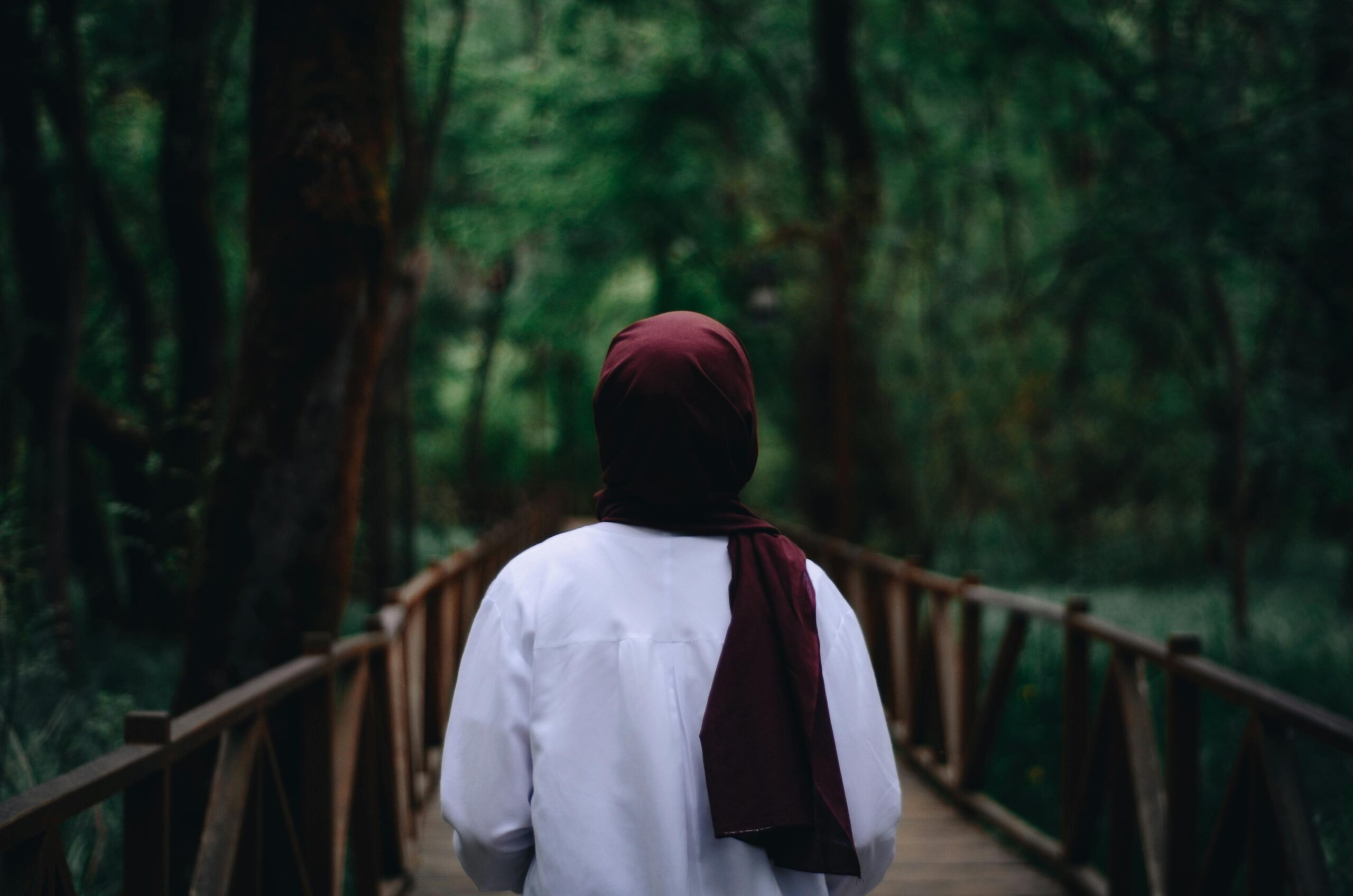
Mindful walking on nature trails offers a practical, accessible path to serenity in our chaotic modern world. Unlike many wellness practices requiring equipment, instruction, or special facilities, this ancient technique needs only your willingness to slow down, pay attention, and step into nature’s healing embrace.
The trail awaits—not as a challenge to conquer or a problem to solve, but as a teacher offering lessons in presence, patience, and peace. Each step becomes a meditation, each breath a return home to yourself. The transformation doesn’t require perfection or expertise, only consistent gentle effort and openness to what unfolds.
Whether you walk for fifteen minutes or two hours, on forest paths or coastal trails, alone or in silent companionship, you’re participating in a practice that has sustained humans throughout history. In a world that constantly demands your attention, mindful walking claims space for renewal, reminding you that sometimes the most productive thing you can do is simply be—fully present, fully alive, fully here. Your journey toward serenity begins with a single mindful step.