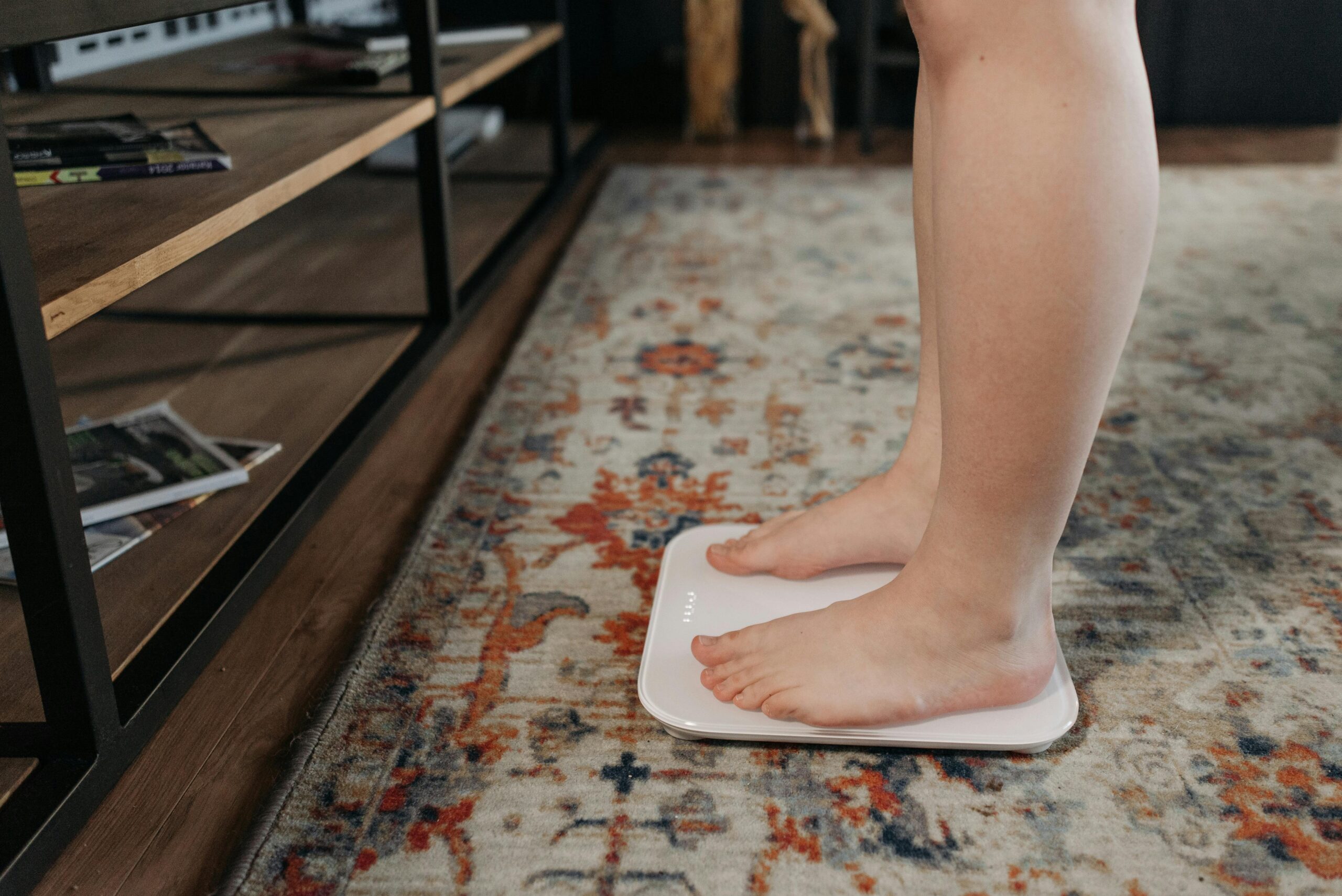
In the rush of modern life, movement has become mechanical—a means to an end rather than an experience in itself. Yet within every step, stretch, and gesture lies an opportunity to reconnect with our bodies, minds, and the present moment.

Mindful movement isn’t about adding more to your already packed schedule. It’s about transforming what you’re already doing into moments of awareness, intention, and genuine connection. This shift from autopilot to conscious participation can revolutionize your physical health, mental clarity, and overall sense of wellbeing without requiring gym memberships or special equipment.
🌅 The Hidden Power of Everyday Movement
Most of us think of exercise as something separate from daily life—a scheduled activity that happens at specific times in designated places. But our bodies are designed for constant, varied movement throughout the day. Our ancestors didn’t “work out”; they simply moved as part of living.
Research shows that breaking up sedentary time with frequent movement throughout the day offers profound health benefits. Studies published in the American Journal of Preventive Medicine demonstrate that even light-intensity activities performed regularly can reduce mortality risk, improve cardiovascular health, and enhance cognitive function. The key isn’t intensity—it’s consistency and awareness.
When we bring mindfulness to everyday movements, we activate both body and mind simultaneously. This dual engagement creates a feedback loop that enhances proprioception (body awareness), reduces stress hormones, and increases the production of mood-regulating neurotransmitters like serotonin and dopamine.
🚶♀️ Transforming Your Morning Routine
The moments after waking set the tone for your entire day. Instead of immediately reaching for your phone, consider transforming your morning routine into a mindful movement practice.
Conscious Rising
Before getting out of bed, take three deep breaths. Notice how your body feels against the mattress. Gently stretch your arms overhead, feeling the length of your spine. Roll to your side and push yourself up slowly, maintaining awareness of each muscle group as it engages. This simple practice activates your parasympathetic nervous system, creating calm alertness rather than jarring transition into wakefulness.
Bathroom Rituals as Movement Meditation
Brushing your teeth becomes an opportunity for balance practice. Stand on one leg while brushing, then switch. Feel your foot connecting with the floor, notice the micro-adjustments your body makes to maintain stability. This improves proprioception and strengthens stabilizing muscles often neglected in traditional exercise.
While waiting for your coffee to brew or water to boil, practice calf raises or gentle squats. Focus on the sensation of muscles contracting and releasing. Notice your breath pattern. These small movements activate circulation and prepare your body for the day ahead.
💼 Reimagining Your Commute and Workspace
Whether you work from home or commute to an office, these transitions offer rich opportunities for mindful movement.
The Conscious Commute
If you drive, use red lights as breathing cues. Take three slow, deep breaths at each stop, releasing tension in your shoulders and jaw. Notice the feeling of your hands on the wheel, your back against the seat. This transforms frustrating delays into recovery moments.
For public transportation users, standing instead of sitting engages your core and leg muscles. Practice subtle weight shifts, feeling your balance adjust with the vehicle’s movement. If you’re walking, pay attention to the sensation of your feet contacting the ground, the swing of your arms, the rhythm of your breath matching your pace.
Workspace Movement Breaks
Set a gentle reminder to stand and move every 30-45 minutes. These don’t need to be formal exercise sessions. Simple movements work beautifully:
- Shoulder rolls—five forward, five backward—releasing tension accumulated from keyboard work
- Seated spinal twists, holding each side for three breaths, wringing out stiffness
- Ankle circles and wrist rotations, maintaining joint health and circulation
- Standing cat-cow stretches, reconnecting with your breath and spine
- Wall push-ups or doorframe stretches, counteracting hunched posture
The key is bringing full attention to these movements. Feel the stretch, notice where tension releases, observe your breath. This transforms a simple break into a restorative practice that enhances both productivity and wellbeing.
🏠 Household Tasks as Moving Meditation
Domestic activities offer countless opportunities to practice mindful movement. The repetitive nature of these tasks makes them perfect for cultivating present-moment awareness.
Cooking with Consciousness
Preparing meals engages multiple senses and requires various movements. Notice the weight of the knife in your hand, the resistance as it cuts through vegetables, the aroma released with each slice. Stand with awareness, feeling your feet grounded, your core engaged. Reach for items with deliberate attention rather than rushed grabbing.
Stirring a pot becomes a meditation on circular motion. Lifting groceries offers functional strength training when done with proper form—bending at the knees, engaging the core, moving smoothly rather than jerking. These aren’t inconveniences to rush through but opportunities to inhabit your body fully.
Cleaning as Kinesthetic Practice
Vacuuming, sweeping, and mopping involve lunging patterns that strengthen legs and improve balance. Instead of hunching forward, maintain spinal alignment. Use your whole body in fluid, coordinated movements. Notice the sensation of muscles working, the rhythm you create, the transformation of space around you.
Making the bed becomes a stretching opportunity. Reach across with full extension, feel the length in your sides. Squat down to tuck in corners rather than bending from your waist. Each movement executed with awareness builds both physical capacity and mental presence.
🌳 Outdoor Activities with Heightened Awareness
Nature naturally invites mindfulness, but we can deepen this connection through intentional movement practices outdoors.
Walking as Moving Meditation
Transform regular walks into mindfulness practices. Begin by standing still for a moment, feeling your connection to the earth. As you walk, bring attention to the complex choreography of gait—the heel striking, weight rolling through the foot, toes pushing off. Notice how your arms swing naturally, how your spine moves, how your breath adjusts to your pace.
Vary your pace intentionally. Walk slowly for two minutes, bringing exquisite attention to each sensation. Then walk at normal speed, maintaining awareness. Notice the difference in breath, heart rate, and mental state. This variation builds both physical capacity and mental flexibility.
Gardening and Yard Work
These activities provide full-body workouts disguised as productive tasks. Approach them with movement awareness. When digging or raking, rotate from your hips rather than twisting your spine. Alternate sides regularly to balance muscle engagement. Take frequent position changes—switching between kneeling, squatting, and standing prevents stiffness and builds mobility.
Feel the texture of soil, the resistance of roots, the weight of tools. Notice how your body adapts to different tasks. This sensory awareness transforms labor into embodied presence.
🌙 Evening Transitions and Wind-Down Movement
How you move in the evening significantly impacts sleep quality and recovery. Gentle, mindful movement prepares your body and nervous system for rest.
Post-Dinner Strolls
A 10-15 minute walk after eating aids digestion, stabilizes blood sugar, and provides transition time between day and evening. Walk at a leisurely pace, allowing your mind to process the day without forcing or analyzing. Let thoughts come and go while maintaining awareness of your moving body.
Pre-Sleep Stretching Rituals
Create a simple sequence of gentle stretches that signal bedtime to your nervous system. This isn’t vigorous exercise but rather a body scan in motion:
- Gentle neck stretches, releasing tension from the day
- Shoulder and chest opening, counteracting forward posture
- Seated forward folds, calming the nervous system
- Supine twists, releasing spinal tension
- Legs up the wall pose, promoting circulation and relaxation
Hold each position for 1-2 minutes, breathing deeply, observing sensations without judgment. This practice improves sleep quality by activating the parasympathetic nervous system and releasing accumulated physical tension.
📱 Technology as Mindful Movement Support
While excessive screen time contradicts mindful living, certain apps can support your practice of conscious movement throughout the day.
Movement reminder apps provide gentle prompts to stand and stretch without being intrusive. Breathing apps guide short breath-focused breaks that complement physical movement. The key is using technology intentionally—as a tool supporting your practice rather than another source of distraction or obligation.
Fitness trackers can increase awareness of daily movement patterns, but remember that the numbers are less important than the quality of attention you bring to movement itself. Use data as feedback, not judgment.
🧘♂️ Building Your Personal Practice
Transforming daily movement into mindful moments requires no special equipment or training, but it does benefit from intentional cultivation.
Start Small and Specific
Choose one daily activity to practice with full awareness for a week. Perhaps it’s your morning shower, your walk to the mailbox, or climbing stairs. Bring complete attention to the sensations, breath, and movement patterns involved. Once this becomes natural, add another activity.
This gradual approach prevents overwhelm and allows new neural pathways to form. You’re not adding tasks but transforming existing activities, making sustainability much more likely than dramatic lifestyle overhauls.
Create Environmental Cues
Place visual reminders in strategic locations. A sticky note on your computer monitor prompting shoulder rolls. A smooth stone by the kitchen sink reminding you to practice balance while doing dishes. These gentle cues support habit formation without creating pressure.
Practice Self-Compassion
You’ll forget. You’ll rush through movements on autopilot. You’ll have days when mindfulness feels impossible. This is completely normal. Rather than self-criticism, simply notice when you’ve been unconscious and gently return to awareness. Each return strengthens the practice, regardless of how many times you’ve wandered.
✨ The Ripple Effects of Mindful Movement
The benefits of transforming daily movement into mindful moments extend far beyond physical health, creating positive cascades throughout your life.
Physical improvements appear gradually but persistently. Better posture reduces chronic pain. Increased body awareness prevents injuries. Enhanced circulation supports immune function. Improved balance and coordination translate to confidence in daily activities. These aren’t dramatic transformations but steady, sustainable enhancements.
Mental health benefits often appear first. The practice of returning attention to bodily sensation interrupts rumination and worry. Present-moment awareness reduces anxiety. The sense of agency that comes from conscious movement combats feelings of helplessness. Regular mindful movement has been shown to reduce symptoms of depression and improve stress resilience.
Perhaps most significantly, this practice fundamentally shifts your relationship with your body. Instead of viewing it as a vehicle to transport your head around or an object to be improved, you experience it as your primary way of being in the world. This embodied presence enriches every experience, from eating to conversation to creative work.
🌟 Your Movement, Your Meditation
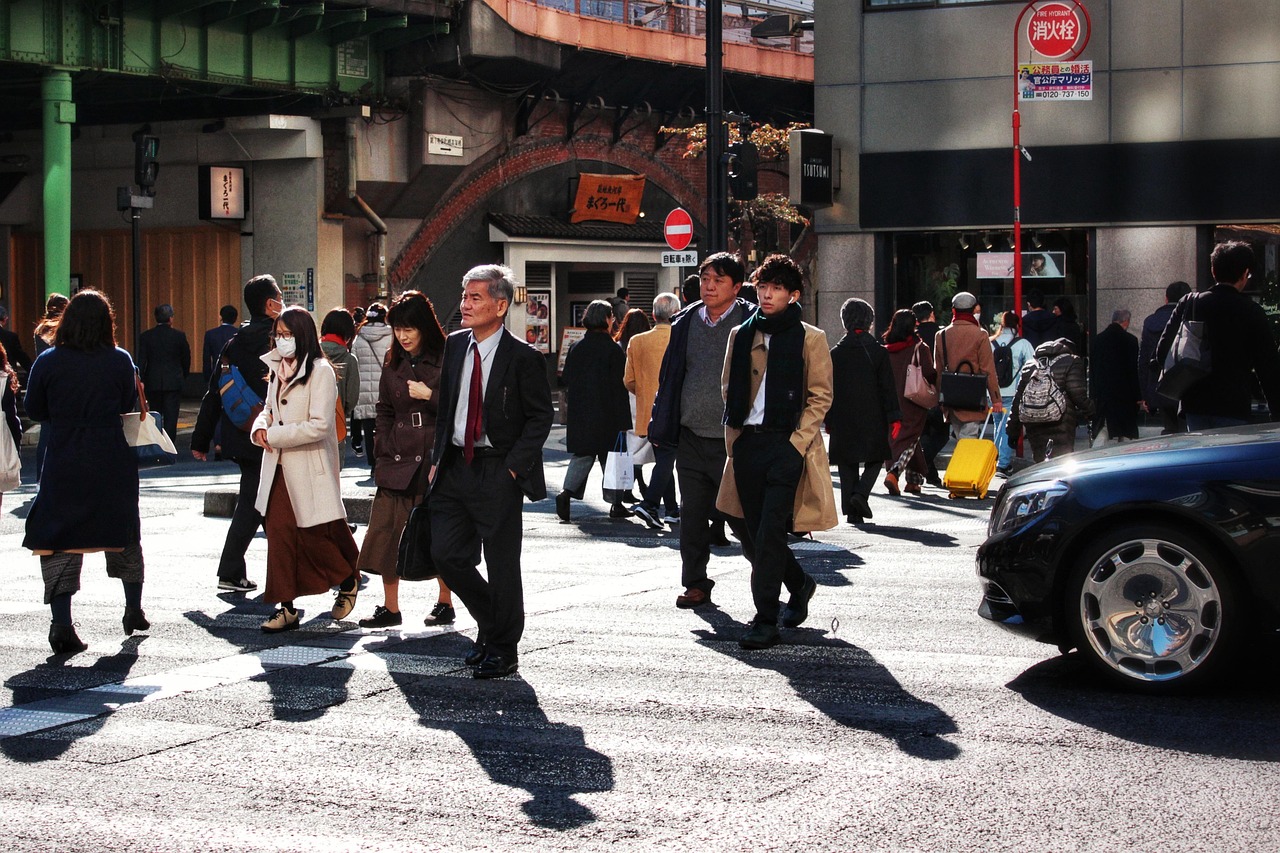
The invitation isn’t to become someone who practices mindful movement. It’s to recognize that you’re already moving throughout every day and to bring consciousness to what’s already happening. You don’t need to find extra time or special conditions. Every moment of movement—from reaching for a coffee cup to walking to your car—is an opportunity to be fully present in your body and your life.
This practice asks nothing more than attention. Yet attention, given generously and repeatedly to the felt experience of inhabiting a body, changes everything. It transforms obligation into opportunity, routine into ritual, and movement into meditation.
Start today. Not with a plan or a program, but with simple awareness. Notice your next ten steps. Feel your breath during one ordinary task. Stretch with full attention just once. These small moments of presence accumulate, gradually weaving mindfulness through the fabric of your days, elevating the ordinary into the extraordinary, and revealing that you’ve always had everything you need for a healthier, happier life—you just needed to pay attention.