
Walking is more than just a way to get from one place to another. It’s a powerful practice that reconnects us with the earth beneath our feet and awakens a deeper sense of presence in our daily lives.

In our increasingly digital and disconnected world, the simple act of walking has emerged as a transformative tool for both mental and physical wellness. When we combine intentional walking with the concept of grounding—also known as earthing—we unlock a profound pathway to balance, clarity, and vitality that our ancestors intuitively understood but modern society has largely forgotten.
🌍 The Ancient Wisdom of Grounding Through Movement
Grounding, or earthing, refers to the practice of direct physical contact with the earth’s surface. When we walk barefoot on grass, sand, or soil, we connect with the planet’s natural electrical charge. This isn’t merely spiritual folklore—scientific research has begun validating what traditional cultures have known for millennia.
Our bodies are bioelectrical systems, constantly generating and conducting electricity. Modern lifestyles often insulate us from the earth with rubber-soled shoes, synthetic flooring, and elevated living spaces. This disconnection may contribute to inflammation, stress, and various health imbalances that plague contemporary society.
Walking as a grounding practice bridges this gap. Each step becomes an opportunity to discharge accumulated positive ions and absorb the earth’s negative electrons, potentially reducing inflammation and promoting physiological balance. Beyond the electrical exchange, the rhythmic nature of walking creates a meditative state that calms the nervous system and quiets mental chatter.
💪 Physical Transformation Through Mindful Walking
The physical benefits of regular walking extend far beyond basic cardiovascular exercise. When approached with intention and awareness, walking becomes a comprehensive wellness practice that transforms the body from multiple angles.
Cardiovascular Health and Metabolic Balance
Walking strengthens the heart, improves circulation, and helps regulate blood pressure without the joint stress associated with high-impact exercises. A consistent walking practice of 30-45 minutes daily can reduce the risk of heart disease by up to 35% according to numerous studies. The moderate intensity allows for sustained fat burning while building endurance gradually and safely.
The metabolic effects ripple throughout the body. Regular walking improves insulin sensitivity, helping to prevent and manage type 2 diabetes. It stimulates digestive processes, supports healthy weight management, and enhances the body’s ability to process nutrients efficiently.
Musculoskeletal Strength and Flexibility
Walking engages nearly every muscle group in the body when performed with proper posture and awareness. The legs, core, and even upper body work in coordinated rhythm. Over time, this builds functional strength that translates to better balance, reduced fall risk, and improved performance in daily activities.
The gentle, repetitive motion lubricates joints and maintains flexibility without excessive wear. For those recovering from injury or managing chronic conditions like arthritis, walking offers therapeutic movement that promotes healing rather than further damage.
Immune System Activation
Moderate walking has been shown to boost immune function by increasing the circulation of white blood cells and antibodies. Studies indicate that people who walk regularly experience fewer colds, flu episodes, and infections compared to sedentary individuals. The practice also supports lymphatic drainage, helping the body eliminate toxins more effectively.
🧠 Mental Clarity and Emotional Equilibrium
The mental and emotional benefits of walking rival—and often surpass—the physical advantages. This is where the true transformative power of grounding walks becomes apparent, affecting mood, cognition, and psychological resilience in measurable ways.
Stress Reduction and Anxiety Management
Walking triggers the release of endorphins, the body’s natural mood elevators, while simultaneously reducing cortisol levels. The combination creates a powerful antidote to stress and anxiety. Unlike more intense exercises that can temporarily spike stress hormones, walking’s moderate pace allows the nervous system to shift from sympathetic (fight-or-flight) to parasympathetic (rest-and-digest) dominance.
The grounding aspect amplifies these benefits. Direct contact with the earth has been associated with measurable reductions in stress biomarkers and improvements in heart rate variability—a key indicator of nervous system resilience. Many practitioners report that barefoot walks on natural surfaces create an almost immediate sense of calm and centeredness.
Enhanced Cognitive Function and Creativity
Walking increases blood flow to the brain, delivering oxygen and nutrients that support optimal cognitive performance. Research from Stanford University found that walking boosts creative thinking by an average of 60% compared to sitting. The bilateral movement of walking engages both brain hemispheres, facilitating problem-solving and innovative thinking.
Many great thinkers throughout history—from Aristotle to Charles Darwin to Steve Jobs—were known for their walking practices. The combination of physical movement, exposure to nature, and mental disengagement from focused tasks creates ideal conditions for insights and breakthroughs to emerge.
Depression and Mood Disorders
Multiple studies have demonstrated walking’s effectiveness in treating mild to moderate depression, with some research suggesting it can be as effective as antidepressant medications for certain individuals. The combination of physical activity, sunlight exposure (which supports vitamin D production), and the meditative quality of rhythmic movement addresses depression from multiple angles simultaneously.
The grounding component may offer additional benefits. Some research suggests that earthing practices help normalize circadian rhythms and improve sleep quality—both critical factors in managing mood disorders.
🌿 Creating Your Grounding Walking Practice
Transforming walking from routine activity into a grounding practice requires intention and awareness. Here’s how to develop a practice that maximizes both physical and mental benefits.
Choosing Your Environment
While any walking is beneficial, grounding walks are most effective in natural settings where you can make direct contact with the earth. Prioritize locations that offer:
- Grass, sand, or soil surfaces for barefoot walking opportunities
- Natural beauty that engages the senses and promotes presence
- Minimal traffic noise and urban distractions
- Varied terrain that challenges balance and engages different muscle groups
- Safe, accessible paths appropriate for your fitness level
Parks, beaches, forest trails, and even your own backyard can serve as excellent venues for grounding walks. If natural spaces aren’t readily available, even urban parks with grass areas can provide grounding benefits.
Barefoot Walking: Benefits and Precautions
Walking barefoot maximizes the grounding effect by allowing direct skin-to-earth contact. This practice strengthens foot muscles, improves proprioception (body awareness), and restores natural gait patterns often distorted by conventional footwear.
However, barefoot walking requires gradual adaptation. Start with short sessions of 5-10 minutes on soft, safe surfaces. Inspect areas for sharp objects, and avoid extremely hot or cold surfaces initially. As your feet strengthen and adapt, you can gradually increase duration and explore more varied terrain.
For those who cannot walk barefoot due to environmental conditions or health concerns, grounding shoes with conductive soles offer an alternative that maintains electrical connection while providing protection.
Developing Mindful Awareness
Grounding walks become transformative when performed with mindful attention rather than autopilot distraction. Practice these awareness techniques:
- Focus on the sensation of each foot contacting the ground
- Notice the rhythm of your breath synchronizing with your steps
- Observe your surroundings without judgment—colors, sounds, smells, textures
- Periodically scan your body for tension and consciously release it
- When thoughts arise, acknowledge them without engagement and return attention to physical sensations
This practice cultivates present-moment awareness that extends beyond your walks into daily life, reducing rumination and increasing overall mindfulness.
⏰ Building Consistency and Momentum
The transformative power of grounding walks emerges through consistency rather than intensity. A sustainable practice beats sporadic ambitious efforts every time.
Starting Small and Scaling Gradually
Begin with achievable goals that fit your current lifestyle and fitness level. Even 10-15 minutes daily creates momentum and establishes the habit. As walking becomes routine, gradually extend duration or frequency rather than making dramatic leaps that prove unsustainable.
Track your progress to maintain motivation and observe patterns. Many practitioners find that using walking apps helps them stay accountable while celebrating milestones.
Creating Rituals and Routines
Anchor your walking practice to existing routines or specific times of day. Morning walks energize and set positive tone for the day. Lunchtime walks break up sedentary work patterns and restore mental clarity. Evening walks facilitate the transition from work to rest, processing the day’s experiences while calming the nervous system for better sleep.
Develop pre-walk rituals that signal to your mind and body that this is intentional practice time. This might include specific stretches, setting an intention, or simply taking three deep breaths before beginning.
🌟 Advanced Practices and Variations
Once you’ve established a basic grounding walking practice, explore variations that deepen benefits and maintain engagement.
Walking Meditation Techniques
Formal walking meditation involves extremely slow, deliberate movement with intense focus on each component of the walking process. Lift, move, place—each action becomes an object of meditation. This practice dramatically enhances body awareness and present-moment focus while providing gentle physical activity.
Interval Walking for Enhanced Fitness
Alternate between moderate and brisk paces to increase cardiovascular challenge without losing the grounding benefits. Walk comfortably for three minutes, then increase pace for one minute. This variation improves aerobic capacity while maintaining the meditative quality of the practice.
Nature Immersion Walks
Combine grounding walking with forest bathing (shinrin-yoku), the Japanese practice of therapeutic nature immersion. Walk slowly through forested areas, engaging all senses fully. Pause to observe details, touch bark, listen to bird songs, or simply sit in quiet observation. This practice amplifies stress reduction and promotes profound relaxation.
🔬 The Science Behind the Practice
While grounding walking feels intuitively beneficial, scientific research increasingly validates these experiences with measurable data.
Studies published in the Journal of Environmental and Public Health have documented grounding’s effects on inflammation markers, cortisol rhythms, sleep quality, and autonomic nervous system function. Research shows that grounding can reduce blood viscosity—a major factor in cardiovascular disease—and accelerate wound healing.
Neuroscience research reveals that rhythmic bilateral movement like walking facilitates integration between brain hemispheres and activates the hippocampus, the brain region responsible for memory and emotional regulation. This may explain why walking often leads to emotional breakthroughs and psychological insights.
The combination of physical movement, nature exposure, and earthing creates synergistic effects that exceed the benefits of each element alone. This multifaceted approach addresses human wellness from biological, psychological, and even existential dimensions simultaneously.
💫 Integrating Grounding Walks into Modern Life
Despite overwhelming evidence for walking’s benefits, modern lifestyles often obstruct this simple practice. Sedentary work, digital distractions, and car-dependent infrastructure create barriers that require intentional strategies to overcome.
Reframe walking as essential health maintenance rather than optional exercise. Schedule walks as non-negotiable appointments in your calendar. Use walking meetings for phone calls or brainstorming sessions. Park farther away from destinations. Take stairs instead of elevators. These micro-practices accumulate significant benefits over time.
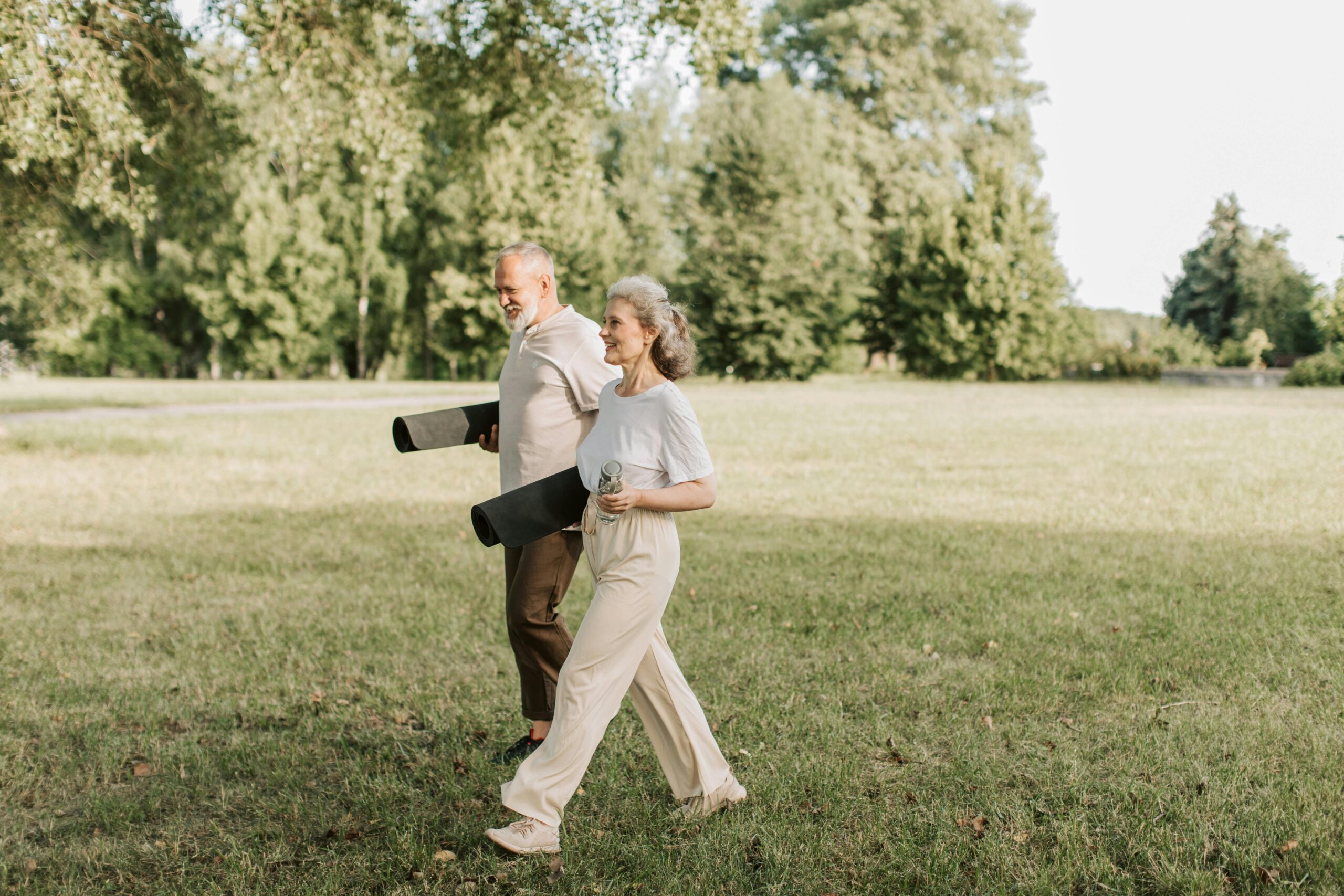
Consider walking as social activity by inviting friends or family to join you. Walking conversations often flow more naturally than face-to-face sitting, and the shared experience strengthens relationships while supporting everyone’s wellness.
For those in urban environments with limited natural spaces, seek out every opportunity for earth contact. Remove shoes whenever safely possible. Visit parks during lunch breaks. Plan weekend excursions to natural areas. Even brief grounding experiences provide benefits that extend throughout the week.
🎯 Measuring Your Transformation
Transformation through grounding walks manifests in both subtle and dramatic ways. Pay attention to these indicators of progress:
- Improved sleep quality and more consistent sleep patterns
- Reduced anxiety and greater emotional stability
- Enhanced mental clarity and decision-making ability
- Decreased chronic pain or inflammation
- Increased energy levels throughout the day
- Better stress management and resilience
- Improved physical stamina and reduced fatigue
- Greater sense of connection to nature and life purpose
Keep a simple journal noting how you feel before and after walks. Over weeks and months, patterns emerge that reveal the practice’s cumulative impact on your wellbeing.
🌈 Beyond Physical Health: Walking Toward Wholeness
Ultimately, grounding walks offer more than physical fitness or stress relief. They represent a return to natural rhythms and a recalibration of our relationship with the living earth. In each step, we remember that we’re not separate from nature but integral expressions of it.
This practice cultivates qualities that extend far beyond health metrics—presence, patience, reverence, and gratitude. As we walk the earth with awareness, we develop deeper appreciation for the miracle of our own embodiment and the precious, fleeting nature of each moment.
The transformation available through grounding walks isn’t about becoming someone different but rather uncovering who you authentically are beneath layers of stress, distraction, and disconnection. Each step literally brings you back to earth, back to your body, back to now.
In a world that constantly pulls attention toward virtual spaces and future concerns, walking grounds us in the only place where life actually happens—right here, right now, one step at a time. This simple practice holds profound power to transform not just individual wellbeing but our collective relationship with the planet that sustains us.
Step into balance. Let each footfall become a meditation, each breath a celebration, each walk a journey home to yourself. The path to transformation begins with a single step—and that step can begin right now. 🚶