In the midst of our bustling urban landscapes, finding moments of peace can feel like searching for an oasis in a concrete desert. Walking meditation offers a transformative practice that turns ordinary city strolls into journeys of mindfulness and inner calm.

Every step we take through crowded streets, past honking cars and flashing advertisements, can become an opportunity for profound presence. The ancient practice of walking meditation invites us to reclaim our wandering minds and anchor ourselves in the simple act of moving through space with intention and awareness.
🚶♀️ Understanding the Essence of Walking Meditation
Walking meditation is a form of mindfulness practice that combines physical movement with mental awareness. Unlike seated meditation, this dynamic practice allows you to cultivate mindfulness while engaging with your environment. The technique has roots in Buddhist traditions, where monks would practice kinhin—walking meditation between long periods of sitting.
The beauty of walking meditation lies in its accessibility. You don’t need special equipment, a quiet room, or even a peaceful setting. Your city streets become your meditation hall, and each footstep becomes a gateway to deeper consciousness. This practice teaches us that serenity isn’t dependent on external circumstances but rather on our internal relationship with the present moment.
Research from neuroscience confirms what ancient practitioners have known for centuries: walking meditation activates different neural pathways than seated meditation, offering unique benefits for both body and mind. The rhythmic movement creates a natural anchor for attention, making it easier for many people to maintain focus compared to stationary practices.
The Urban Advantage: Why Cities Are Perfect for Walking Meditation
Contrary to popular belief, cities offer exceptional opportunities for walking meditation practice. The very distractions that seem like obstacles—traffic noise, crowds, construction sounds—become teachers in non-reactive awareness. Urban environments challenge us to find peace not despite the chaos, but within it.
City walking meditation helps develop resilience in our practice. When you can maintain mindful awareness while navigating busy intersections and sidewalk traffic, you’re strengthening your ability to stay centered in any life situation. The urban landscape becomes a training ground for presence under pressure.
Additionally, cities provide diverse sensory experiences that keep your practice fresh and engaging. The smell of coffee from a corner café, the architectural geometry of buildings against the sky, the rhythm of pedestrians crossing streets—all become objects of gentle observation and awareness.
🧘 Essential Techniques for City Walking Meditation
Finding Your Foundational Pace
Begin by establishing a natural, comfortable walking speed that feels slightly slower than your usual pace. This deliberate reduction in tempo signals to your nervous system that you’re shifting from doing mode into being mode. Your steps should feel purposeful yet relaxed, neither rushed nor artificially slow.
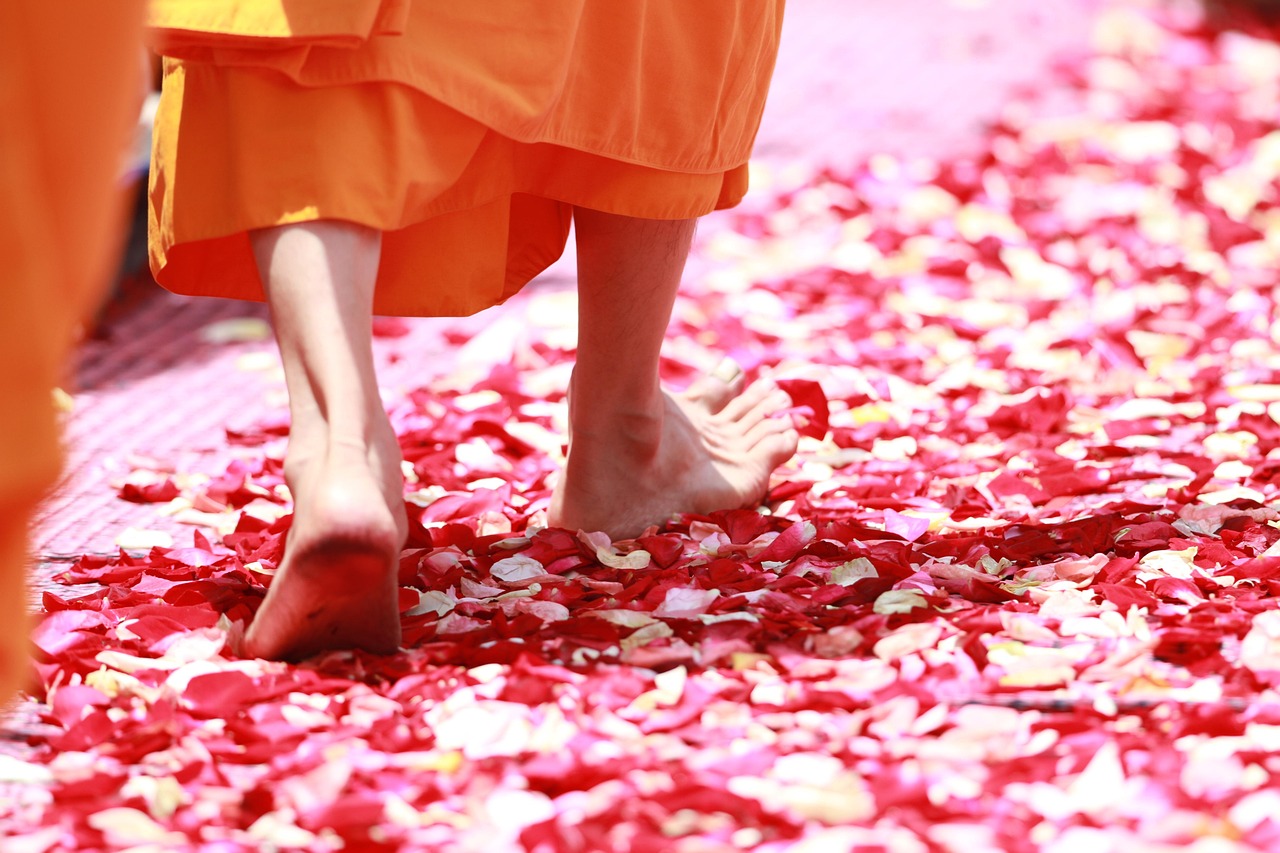
Pay attention to the complete mechanics of each step. Notice how your heel touches the ground first, how weight transfers through your foot, and how your toes push off for the next step. This detailed awareness of the walking process anchors your attention in physical sensation rather than mental wandering.
Breath Synchronization
Coordinate your breathing with your steps to create a meditative rhythm. A simple pattern might involve breathing in for three steps and out for three steps, though you should adjust this to match your natural breathing capacity. This synchronization integrates body and breath, creating a unified flow of awareness.
When city noises interrupt your focus, use them as reminders to return to your breath and steps. Rather than fighting against urban sounds, allow them to pass through your awareness like clouds moving across the sky. Each distraction becomes an opportunity to practice the art of gentle return to presence.
Sensory Awareness Practices
Engage your senses deliberately as you walk. Spend several minutes focusing exclusively on what you see—colors, shapes, movements, light and shadow. Then shift to sounds, not labeling them but simply receiving auditory information. Continue through touch sensations (wind on your skin, clothing movement), smells, and even tastes in the air.
This rotation through sensory awareness prevents your practice from becoming monotonous while training your mind to observe without immediately judging or storytelling about each experience. You’re cultivating what Buddhists call “bare attention”—simple noticing without added mental commentary.
Crafting Your Urban Meditation Route
While walking meditation can happen anywhere, thoughtfully chosen routes enhance your practice. Look for paths that offer a balance between engagement and tranquility. A tree-lined street through your neighborhood might provide more support than the busiest commercial avenue, especially when you’re beginning.
Consider creating a regular walking meditation circuit that takes 15-30 minutes to complete. Familiarity with the route means you need less mental energy for navigation, freeing attention for meditation. Your circuit might include a park segment, residential streets, and perhaps a quiet waterfront or canal if your city offers such features.
Vary your routes seasonally to experience how different environments and weather conditions affect your practice. Walking meditation in gentle rain offers different lessons than sunny afternoon strolls or crisp autumn mornings. Each condition teaches you something about presence and acceptance.
⏰ Integrating Walking Meditation into Daily Life
The Morning Serenity Walk
Starting your day with walking meditation sets a tone of calm awareness that ripples through subsequent hours. Even a 10-minute mindful walk before breakfast can recalibrate your nervous system and provide mental clarity for the day ahead. Morning light and quieter streets often make this an ideal practice time.
Use this morning practice to set intentions rather than making plans. Feel into what qualities you want to embody—patience, openness, creativity—and let your mindful steps affirm these intentions with each footfall.
Commute Transformation
Convert portions of your work commute into walking meditation by parking farther away or exiting public transportation a stop early. These strategic choices transform necessary travel into valuable practice time. What was once dead time rushing between locations becomes alive with awareness and presence.
Walking meditation during commutes also provides a buffer between home life and work life, allowing for mental transitions that support work-life balance. You arrive at your destination more centered and prepared, having used travel time for restoration rather than depletion.
Lunch Break Renewal
A midday walking meditation provides essential restoration during the workday. Even 15 minutes of mindful walking can reduce stress hormones, improve afternoon focus, and prevent the energy crash many people experience after lunch. Find a nearby park, quiet street, or building corridor where you can practice undisturbed.
Overcoming Common Urban Meditation Challenges
Self-consciousness often arises when practicing walking meditation in public spaces. You might worry that walking slowly or appearing contemplative makes you conspicuous. Remember that most people are absorbed in their own concerns and unlikely to notice your pace or demeanor. If needed, maintain a relatively normal walking speed while cultivating internal awareness.
Safety concerns in cities require adaptation. Stay alert to traffic, uneven pavement, and other hazards while maintaining meditative awareness. This dual attention—internal observation paired with external awareness—actually represents an advanced practice that develops practical wisdom alongside mindfulness.
Weather extremes challenge outdoor practice but also offer opportunities for learning. Meditation in heat teaches you about acceptance and physical discomfort, while cold weather practice develops resilience. Appropriate clothing and reasonable duration adjustments allow year-round practice.
📱 Digital Support for Your Walking Meditation Practice
Several mobile applications can support your walking meditation journey, especially when you’re establishing the practice. These apps offer guided sessions, timing functions, and progress tracking that help maintain consistency and deepen understanding.
Meditation apps like Calm provide specific walking meditation guides that you can listen to through earbuds during your practice. These guided sessions teach proper techniques and help maintain focus during the learning phase. As your practice matures, you may choose to walk in silence, but initial guidance proves valuable for most practitioners.
Applications like Headspace offer structured meditation courses that include walking meditation modules alongside other mindfulness practices. This integrated approach helps you understand how walking meditation fits within the broader landscape of contemplative practice.
However, be mindful of technology’s paradoxical nature in meditation practice. While apps provide valuable support, becoming dependent on digital guidance can prevent you from developing self-reliance in practice. Gradually wean yourself from constant audio guidance, using apps as occasional refreshers rather than constant companions.
The Science Behind Walking Meditation Benefits
Research demonstrates that walking meditation offers distinct advantages over both seated meditation and regular walking. A study published in the Journal of Alternative and Complementary Medicine found that walking meditation significantly reduced anxiety levels and improved glucose metabolism in people with type 2 diabetes.
The practice activates the parasympathetic nervous system—your body’s rest-and-restore mode—while simultaneously engaging muscles and cardiovascular systems. This unique combination provides both relaxation and gentle physical exercise, making it particularly valuable for people who find seated meditation uncomfortable or insufficiently engaging.
Neuroimaging studies show that walking meditation enhances connectivity between brain regions responsible for attention, body awareness, and emotional regulation. Regular practitioners demonstrate improved executive function, better stress management, and increased gray matter density in areas associated with self-awareness and compassion.
🌟 Deepening Your Practice Over Time
Progressive Refinement
As weeks become months of consistent practice, you’ll notice subtle shifts in how you experience city walking. Sounds that once seemed disruptive fade into neutral background information. Crowds that triggered anxiety become interesting studies in human movement and behavior. Your city itself transforms from a source of stress into a rich field of awareness.
Deepen your practice by experimenting with different attention focuses. Spend entire walks noticing only movement—your body’s motion, cars passing, trees swaying, people gesturing. Another day, focus exclusively on stillness within movement—the quiet center from which all action emerges.
Compassion Integration
Advanced walking meditation naturally evolves toward loving-kindness practice. As you walk, generate wishes for wellbeing toward people you pass: “May you be happy, may you be healthy, may you be at peace.” This transforms your practice from self-focused awareness into outward-flowing compassion, enriching both your experience and your subtle impact on the urban environment.
Creating Community Around Your Practice
Walking meditation need not be solitary. Many cities host group walking meditation sessions in parks or quiet neighborhoods. Practicing with others provides motivation, deepens commitment, and offers opportunities to learn from experienced practitioners. The collective energy of group practice often produces states of calm and clarity difficult to access alone.
Consider starting your own walking meditation group if none exists locally. A simple structure—meeting weekly for 30-45 minutes of silent walking followed by optional tea and discussion—attracts like-minded practitioners seeking community support for their practice.
Measuring Your Progress Without Attachment
Progress in walking meditation manifests subtly rather than dramatically. You might notice that you’re less reactive to daily stressors, more patient in difficult situations, or simply more aware of present-moment experiences. Sleep may improve, creativity may increase, and relationships might deepen as you bring enhanced presence to interactions.
Avoid rigidly measuring your practice through metrics or seeking constant improvement. Some days your mind will wander relentlessly; other days you’ll experience profound stillness. Both experiences are valuable teachers. The practice itself—the commitment to show up and walk with awareness—matters more than any particular state achieved during any single session.
Your City Awaits Your Mindful Steps 🌆
Walking meditation transforms how you inhabit urban space and, more fundamentally, how you inhabit your own life. The practice doesn’t remove you from the world’s complexity but teaches you to meet that complexity with grace, awareness, and equanimity. Your city streets become sacred ground, and each step becomes a prayer of presence.
Begin today with just ten minutes of mindful walking. Notice one sensation, one breath, one moment of genuine presence. That single step begins a journey that paradoxically takes you nowhere yet changes everything. The serenity you seek isn’t hidden in some distant retreat—it walks with you through every city street, waiting only for your recognition.
Step into serenity, one mindful footfall at a time, and discover that the peace you’ve been searching for was always here, in this step, in this breath, in this present moment unfolding beneath your feet.