Feeling drained, distracted, or disconnected from your body? You’re not alone. In our fast-paced world, we often forget the powerful connection between physical awareness and mental clarity.

Body awareness routines are simple yet transformative practices that can revitalize your energy levels and sharpen your focus in just five minutes. These quick exercises help you reconnect with your physical self, release tension, and create a foundation for sustained vitality throughout your day. Unlike lengthy workout sessions or complex meditation practices, these routines fit seamlessly into even the busiest schedules, delivering remarkable benefits without demanding hours of your time.
🌟 Understanding Body Awareness and Its Impact on Your Daily Life
Body awareness, also known as somatic awareness or proprioception, refers to your conscious understanding of where your body is in space and how it feels in any given moment. This fundamental connection between mind and body serves as the cornerstone of physical and emotional well-being.
When you develop stronger body awareness, you become more attuned to tension patterns, breathing irregularities, and energy blockages that might be sabotaging your productivity and mood. This heightened sensitivity allows you to address issues before they escalate into chronic problems like persistent fatigue, brain fog, or stress-related disorders.
Research consistently shows that individuals with better body awareness experience lower stress levels, improved concentration, enhanced athletic performance, and greater emotional regulation. The simple act of checking in with your physical sensations activates the parasympathetic nervous system, triggering your body’s natural relaxation response and countering the effects of chronic stress.
The Science Behind 5-Minute Body Awareness Practices
You might wonder how just five minutes can make a meaningful difference. The answer lies in neuroplasticity and the body’s rapid response to mindful attention. When you deliberately focus on bodily sensations, you activate the insula, a brain region responsible for interoception—the perception of internal body states.
Studies published in neuroscience journals demonstrate that even brief mindfulness practices can increase gray matter density in brain regions associated with attention, emotional regulation, and self-awareness. Five minutes provides sufficient time to shift your nervous system from sympathetic (fight-or-flight) to parasympathetic (rest-and-digest) dominance.
Furthermore, these short practices prevent decision fatigue and overwhelm that often accompany longer commitments. The accessibility of a five-minute routine increases consistency, and consistency is what transforms occasional practice into lasting habit and genuine transformation.
✨ Quick Body Scan: Your Gateway to Instant Presence
The body scan technique offers one of the most efficient pathways to heightened awareness and renewed energy. This practice involves systematically directing attention through different body parts, observing sensations without judgment or the need to change anything.
Begin by finding a comfortable seated or lying position. Close your eyes or soften your gaze. Take three deep breaths, allowing each exhale to be slightly longer than the inhale. Now, bring your attention to the top of your head. Notice any sensations—warmth, coolness, tingling, or perhaps nothing at all.
Gradually move your awareness down through your face, jaw, neck, and shoulders. Many people unconsciously hold tension in these areas. Simply acknowledging these sensations begins the release process. Continue scanning through your chest, abdomen, back, arms, hands, hips, legs, and feet.
The entire journey takes approximately four minutes. Use the final minute to sense your body as a whole, noticing your overall energy state. This practice immediately grounds you in the present moment, interrupts rumination cycles, and resets your nervous system for improved focus.
Breathwork Techniques That Transform Energy in Minutes
Your breath serves as both a window into your current state and a powerful tool for transformation. Most people breathe shallowly and rapidly, especially when stressed, which perpetuates feelings of anxiety and depletes energy reserves.
The 4-7-8 breathing technique offers remarkable benefits in just a few cycles. Inhale through your nose for four counts, hold for seven counts, and exhale through your mouth for eight counts. Repeat this cycle four times. This pattern activates the vagus nerve, triggering relaxation while simultaneously oxygenating your blood more effectively.
For an energy boost without caffeine, try the energizing breath technique. Sit upright with your spine straight. Take twenty quick, forceful exhales through your nose while allowing the inhales to happen passively. Your abdomen should pump in and out rapidly. After completing twenty breaths, take one deep inhale and hold for a comfortable duration before releasing slowly.
Box breathing provides another excellent option for balanced energy and focus. Visualize tracing a square as you breathe: inhale for four counts, hold for four, exhale for four, hold for four. Repeat for five rounds. This technique is particularly effective before important meetings, presentations, or challenging tasks.
🧘 Movement-Based Awareness Routines for Workplace Warriors
Sedentary lifestyles contribute significantly to low energy and poor concentration. Your body craves movement, and even micro-movements can dramatically shift your state when practiced with awareness.
The standing body wake-up routine takes just five minutes and requires no special equipment. Stand with feet hip-width apart. Roll your shoulders backward ten times, then forward ten times. Gently circle your head clockwise five times, then counterclockwise five times. Swing your arms loosely at your sides like a rag doll for thirty seconds.
Next, place your hands on your hips and make slow, deliberate circles with your hips—five in each direction. Lift one knee at a time toward your chest, alternating sides for twenty repetitions total. Finish by standing on your toes and reaching your arms overhead, taking three deep breaths before lowering back down.
This sequence awakens proprioceptors throughout your body, increases circulation, releases stagnant energy, and stimulates your lymphatic system. The conscious attention you bring to each movement amplifies the benefits exponentially compared to mindless stretching.
Seated Awareness Practices for Desk-Bound Professionals
If standing isn’t feasible in your current environment, seated body awareness practices offer equally powerful benefits. These exercises can be performed discreetly at your desk without drawing unwanted attention.
Begin with seated spinal waves. Sit toward the front edge of your chair with feet flat on the floor. Place your hands on your thighs. As you inhale, arch your back slightly, lifting your chest and tilting your pelvis forward. As you exhale, round your spine, tucking your tailbone and dropping your chin toward your chest. Flow through ten slow, mindful repetitions, synchronizing movement with breath.
Follow this with ankle and wrist circles. Extend one leg slightly and rotate your ankle in slow circles—ten in each direction for each foot. Then extend your arms and make the same circular motions with your wrists. These simple movements improve circulation to your extremities and prevent the numbness and fatigue that accompany prolonged sitting.
Complete your seated routine with the neck and shoulder release. Slowly drop your right ear toward your right shoulder, feeling the stretch along the left side of your neck. Hold for three breaths, then repeat on the opposite side. Interlace your fingers behind your head and gently allow the weight of your arms to draw your chin toward your chest, stretching the back of your neck for five breaths.
💪 Tension Release Points for Immediate Relief
Certain areas of your body accumulate stress more readily than others. Learning to identify and release these tension hotspots provides immediate relief and energy restoration.
The jaw holds tremendous tension for many people, especially those who grind their teeth or clench when concentrating. Place your fingertips on your jaw joints (just in front of your ears) and make slow, gentle circles while slightly opening and closing your mouth. Then, press your tongue firmly against the roof of your mouth and hold for ten seconds before releasing. This simple action resets the muscles controlling jaw tension.
Your hands and forearms deserve special attention, particularly if you type frequently. Make tight fists and hold for five seconds, then spread your fingers as wide as possible for five seconds. Repeat five times. Use your thumb to press firmly into the fleshy part of your opposite hand between the thumb and index finger—a traditional acupressure point for stress relief and energy enhancement.
The upper trapezius muscles (connecting your neck to your shoulders) are notorious tension collectors. Use your opposite hand to grasp this muscle, squeezing gently while slowly tilting your head away from the side you’re squeezing. Hold for three breaths on each side. This combination of pressure and stretch releases accumulated stress remarkably effectively.
Grounding Techniques That Anchor Your Energy
When mental energy feels scattered or you’re experiencing that “floating” sensation of overwhelm, grounding techniques reconnect you with stability and presence. These practices work by engaging your body’s connection with the earth and activating your sense of physical solidity.
The 5-4-3-2-1 sensory awareness technique provides immediate grounding. Identify five things you can see, four things you can touch, three things you can hear, two things you can smell, and one thing you can taste. This exercise interrupts anxiety spirals and returns your attention to present-moment sensory experience.
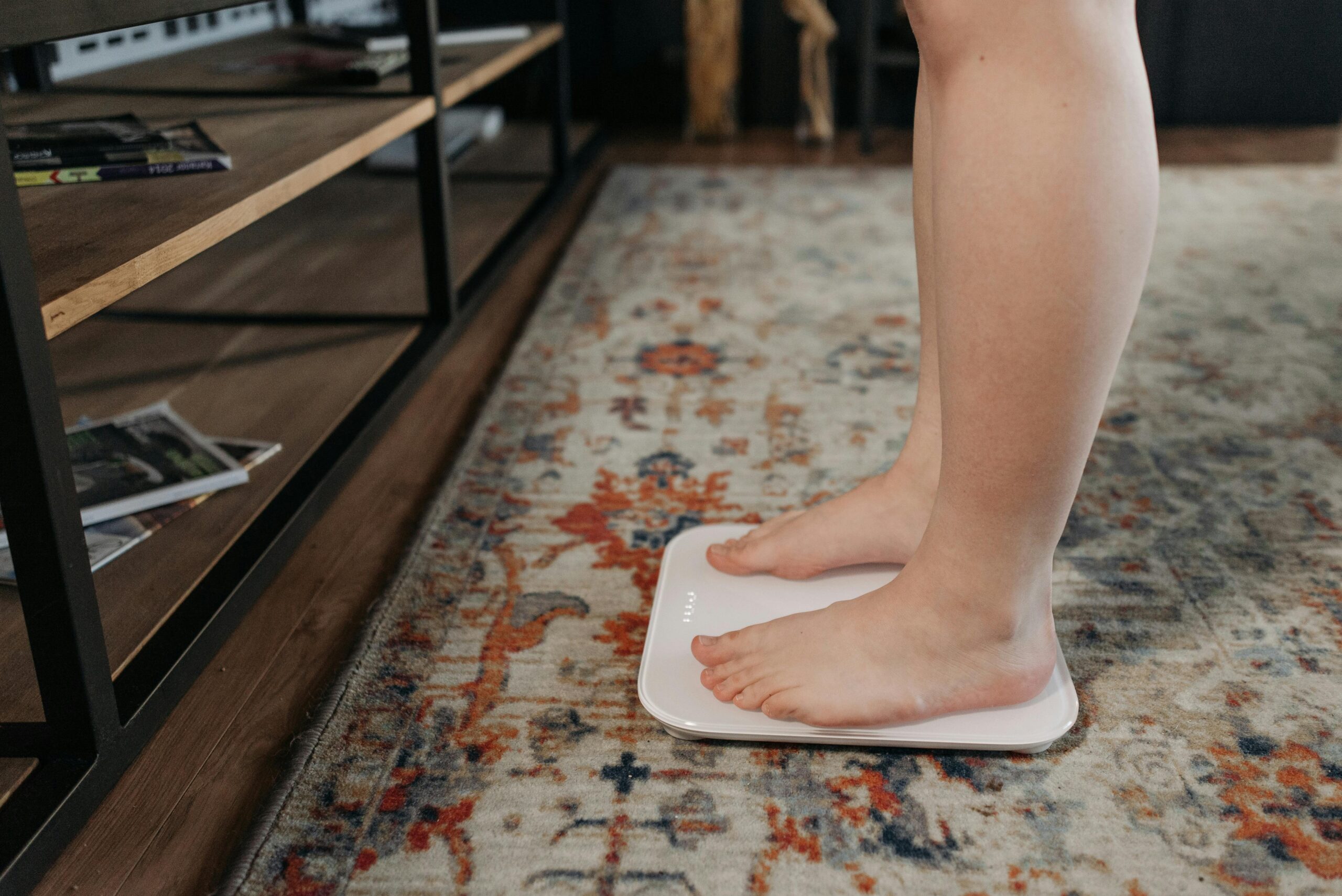
Barefoot connection offers profound grounding when possible. If you can safely stand barefoot on grass, soil, or even a textured mat, do so for your five-minute practice. Focus all your attention on the sensations in the soles of your feet. Notice temperature, texture, and the support beneath you. This practice, sometimes called “earthing,” has documented physiological benefits including reduced inflammation and improved sleep.
The standing mountain pose provides excellent grounding even with shoes on. Stand with feet hip-width apart, knees slightly soft. Imagine roots growing from the soles of your feet deep into the earth. As you inhale, imagine drawing energy up through these roots. As you exhale, imagine any stress or tension draining down through your roots. Continue for two minutes, then spend the remaining time simply noticing how your body feels.
🌈 Creating Your Personalized 5-Minute Energy Ritual
The most effective body awareness routine is one you’ll actually practice consistently. Building your personalized ritual involves selecting techniques that resonate with your needs, preferences, and lifestyle constraints.
Consider your energy patterns throughout the day. Do you experience an afternoon slump? Morning grogginess? Evening restlessness? Target your practice to the times when you most need support. A morning routine might emphasize energizing breathwork and dynamic movement, while an afternoon practice might focus on tension release and gentle stretching.
Experiment with different combinations over several weeks. Perhaps you’ll discover that a two-minute body scan followed by three minutes of breathwork provides the perfect reset. Or maybe alternating between movement practices and stillness-based techniques offers optimal variety to maintain engagement.
Set a consistent environmental cue to trigger your practice. This might be immediately after your first sip of morning coffee, before lunch, or as soon as you arrive home from work. Habit research confirms that linking new behaviors to existing routines dramatically increases adherence rates.
Tracking Progress and Noticing Subtle Shifts
Unlike fitness routines with obvious metrics like weight or repetitions, body awareness practices yield more subtle yet equally valuable results. Learning to recognize these shifts helps maintain motivation and refine your approach.
Keep a simple energy journal for at least two weeks. Before and after your five-minute routine, rate your energy level (1-10) and focus quality (1-10). Note any particular sensations, emotions, or insights that arise. Over time, patterns will emerge showing which techniques produce the most beneficial results for your unique constitution.
Pay attention to indirect indicators of improvement. Are you sleeping better? Handling stressful situations with greater composure? Experiencing fewer tension headaches? These secondary benefits often appear before you notice direct changes in energy or focus, yet they confirm that your practice is creating meaningful physiological shifts.
Remember that some days will feel more impactful than others. This variability is completely normal and doesn’t indicate failure. The consistency of showing up matters more than the intensity of any single session. Even a “mediocre” five-minute practice contributes to the cumulative neuroplastic changes that yield long-term transformation.
⚡ Overcoming Common Obstacles and Resistance
Despite the brevity of these practices, you’ll likely encounter resistance at times. Understanding common obstacles helps you navigate them without abandoning your commitment to self-care.
The “I don’t have time” excuse remains the most frequent barrier. The reality is that five minutes represents approximately 0.35% of your waking hours. Reframe this practice not as an addition to your to-do list but as the foundation that makes everything else more efficient. Studies show that brief mindfulness breaks actually increase productivity by improving concentration and decision-making quality.
Some people experience discomfort with stillness or inward attention, particularly when beginning body awareness practices. If sitting still feels unbearable, start with movement-based techniques. Gradually incorporate shorter periods of stillness as your comfort increases. Remember that fidgeting or restlessness aren’t failures—they’re simply data points revealing your current state.
Perfectionism can sabotage even the simplest practices. Release any expectation that you must perform these routines flawlessly or achieve particular outcomes. The quality of your attention matters infinitely more than perfect technique. A five-minute practice performed with gentle, curious awareness outweighs a lengthy session executed mechanically while mentally planning your grocery list.
Integrating Body Awareness Beyond the 5-Minute Practice
While dedicated five-minute routines provide concentrated benefits, the ultimate goal is weaving body awareness throughout your entire day. These micro-practices take seconds yet significantly amplify the impact of your longer sessions.
Practice doorway awareness: each time you pass through a doorway, take one conscious breath and notice your posture. This simple habit creates dozens of mini-resets throughout your day, preventing the accumulation of tension and distraction.
Use transition moments as awareness opportunities. Before starting your car, take three breaths while noticing the sensation of the steering wheel under your hands. While waiting for your computer to boot up, scan your shoulders and jaw for tension. These brief check-ins maintain the mind-body connection established during your formal practice.
Implement the “hour alarm” technique. Set a gentle alarm to chime once per hour during your workday. When it sounds, pause whatever you’re doing for 30 seconds of body awareness—notice your breath, release your shoulders, or wiggle your toes. This prevents the trance-like absorption in tasks that disconnects you from physical sensations and depletes energy.
🎯 Amplifying Results Through Lifestyle Synergies
Body awareness practices work synergistically with other wellness habits, creating compound benefits greater than the sum of individual parts. Strategic integration amplifies your results without requiring additional time investment.
Hydration status profoundly affects your ability to sense subtle body signals. Dehydration dulls proprioception and energy levels. Keep water readily available during your practice, and consider beginning each session with several sips of water to optimize your nervous system’s responsiveness.
Sleep quality and body awareness exist in a positive feedback loop. Better sleep enhances your capacity for present-moment awareness, while body awareness practices improve sleep quality by regulating stress hormones and promoting relaxation. Prioritize consistent sleep schedules alongside your daily five-minute routine for maximum benefit.
Nutrition choices impact the clarity of your body’s signals. Highly processed foods, excessive sugar, and stimulants create inflammation and energy crashes that obscure your natural rhythms. While you don’t need a perfect diet to benefit from body awareness, notice how different foods affect your energy and focus during practices performed at various times after eating.
Your Journey Toward Sustainable Energy and Clarity
Embarking on a body awareness practice represents a profound act of self-respect and personal agency. In just five minutes daily, you claim space for your own well-being in a world that constantly demands your attention and energy.
The techniques shared here provide a comprehensive toolkit for addressing the most common energy and focus challenges faced by modern individuals. Whether you’re a busy professional, a parent juggling multiple responsibilities, or anyone seeking greater vitality and presence, these practices offer accessible solutions backed by both ancient wisdom and contemporary science.
Start today with just one technique that resonates with you. Commit to practicing it for one week before adding complexity or variety. Notice what shifts, however subtle. Trust that small, consistent actions compound into remarkable transformations over time.
Your body possesses innate wisdom and self-regulating capacities that our fast-paced, screen-dominated lives often override. These five-minute routines don’t add something foreign to your system—they simply remove obstacles that prevent your natural vitality from flowing freely. The energy and focus you seek already exist within you, waiting to be unlocked through the simple act of compassionate, curious attention to your physical experience.
Remember that this practice isn’t about achieving perfection or permanent bliss. Some days will feel energized and focused; others will feel foggy and distracted. Both experiences offer valuable information. The consistency of showing up, regardless of outcomes, builds the resilience and self-knowledge that support lasting well-being. Your five-minute body awareness routine isn’t just about feeling better in the moment—it’s about cultivating a fundamentally different relationship with yourself, one characterized by presence, kindness, and authentic connection to your lived experience.