
In our fast-paced world, finding time for mindfulness can feel impossible. But what if just five minutes could transform your entire day, bringing clarity, calm, and connection to the present moment?

The truth is, mindfulness doesn’t require hour-long meditation sessions or expensive retreats. Simple awareness check-ins throughout your day can dramatically improve your mental health, reduce stress, and enhance your overall well-being. These micro-practices fit seamlessly into even the busiest schedules, making mindfulness accessible to everyone, regardless of lifestyle or experience level.
Whether you’re a complete beginner or someone who’s struggled to maintain a consistent meditation practice, these five-minute techniques will help you cultivate presence, awareness, and inner peace without overwhelming your daily routine.
🧠 Understanding the Power of Micro-Mindfulness Practices
Mindfulness is simply the practice of paying attention to the present moment without judgment. While many people associate it with lengthy meditation sessions, research shows that brief, frequent check-ins can be equally effective—and sometimes even more sustainable for long-term practice.
Studies from Harvard Medical School demonstrate that regular mindfulness practice, even in small doses, can physically change brain structure. The areas responsible for memory, empathy, and stress regulation become stronger, while the amygdala—the brain’s fear center—actually shrinks in size.
The beauty of five-minute awareness check-ins lies in their accessibility. You don’t need special equipment, a quiet room, or even to sit down. These practices meet you wherever you are, transforming ordinary moments into opportunities for presence and self-connection.
✨ The Morning Intention Setting Check-In
Starting your day with intentional awareness sets a positive tone for everything that follows. This simple practice takes just five minutes and can be done before you even get out of bed.
Begin by taking three deep breaths, noticing the sensation of air entering and leaving your body. Then, place one hand on your heart and ask yourself: “How do I want to feel today?” Listen for the answer without forcing it. Perhaps you want to feel calm, energized, compassionate, or focused.
Next, set a simple intention that aligns with that desired feeling. This isn’t a to-do list item—it’s more about how you want to show up in the world. For example: “Today, I choose to respond rather than react” or “I will treat myself with the same kindness I show others.”
Finish by visualizing yourself moving through your day embodying this intention. See yourself handling challenges with grace, connecting meaningfully with others, and honoring your needs. This mental rehearsal primes your brain for success and activates the neural pathways that support your desired state.
🌬️ The Breath Awareness Reset
Your breath is always with you, making it the perfect anchor for mindfulness practice. This technique can be done anywhere—at your desk, in line at the grocery store, or during a stressful moment.
Set a timer for five minutes. Close your eyes if possible, or simply soften your gaze downward. Begin noticing your natural breath without trying to change it. Where do you feel it most? In your nostrils? Your chest? Your belly?
Count your breaths from one to ten, with each inhale-exhale cycle counting as one breath. When you reach ten, start over. If your mind wanders (and it will), simply notice where it went without criticism, and gently return to counting from one.
The wandering mind isn’t a failure—it’s actually the practice. Each time you notice you’ve drifted and return to your breath, you’re strengthening your attention muscle. This simple exercise reduces cortisol levels, lowers blood pressure, and activates the parasympathetic nervous system, promoting relaxation and calm.
🔍 The Sensory Grounding Check-In
When anxiety strikes or you feel disconnected from the present moment, sensory grounding brings you back to your body and immediate environment. This practice is particularly powerful for managing overwhelm and racing thoughts.
Use the 5-4-3-2-1 technique, spending about one minute on each sense:
- 5 things you can see: Look around and really notice five objects. Observe their colors, textures, shapes, and details you normally overlook.
- 4 things you can touch: Feel the texture of your clothing, the surface beneath your feet, the temperature of the air, or an object nearby. Notice the sensations fully.
- 3 things you can hear: Close your eyes and identify three distinct sounds. Perhaps a distant conversation, the hum of electronics, or birds outside.
- 2 things you can smell: Notice any scents in your environment. If you can’t smell anything, imagine two of your favorite smells.
- 1 thing you can taste: Notice the current taste in your mouth, or take a mindful sip of water or tea.
This exercise interrupts anxious thought patterns by redirecting your attention to concrete, sensory information. It’s impossible to be fully present in your body while simultaneously worrying about the future or ruminating about the past.
💭 The Thought Observation Practice
Rather than trying to empty your mind—an impossible and frustrating goal—this practice teaches you to observe your thoughts without getting caught up in them. Think of yourself as sitting on a riverbank, watching thoughts float by like leaves on the water.
Sit comfortably and set your timer for five minutes. Notice whatever thoughts arise, but instead of following them down their usual pathways, simply label them: “planning,” “worrying,” “remembering,” “judging,” “imagining.”
This creates distance between you and your thoughts, revealing an important truth: you are not your thoughts. You’re the awareness that notices them. This perspective shift is profoundly liberating, especially for those who struggle with negative self-talk or anxiety.
As you practice, you’ll notice patterns. Perhaps you spend most of your mental energy planning the future or replaying the past. Maybe you’re habitually self-critical or constantly problem-solving. These insights help you understand your mental habits without shame, creating space for conscious choice.
❤️ The Body Scan Mini-Session
Many of us spend most of our day disconnected from our bodies, living entirely in our heads. A quick body scan brings awareness back to physical sensations and helps release tension you didn’t even know you were holding.
In five minutes, you can scan your entire body from head to toe. Start by bringing attention to your head and face. Notice any tension in your jaw, forehead, or temples. You don’t need to fix anything—just notice.
Move down to your neck and shoulders, often hotspots for stress. Observe any tightness, warmth, coolness, or relaxation. Continue through your chest, arms, hands, belly, back, hips, legs, and feet. Spend about 20-30 seconds on each area.
When you notice tension, breathe into that area. Imagine your breath traveling to that spot, bringing softness and release. This practice increases body awareness, helping you catch stress signals earlier and respond to your body’s needs more effectively.
🙏 The Gratitude Reflection Pause
Gratitude practice rewires your brain to notice positive aspects of life more readily. This isn’t about forced positivity—it’s about training your attention to recognize the good that exists alongside challenges.
Set aside five minutes to reflect on three specific things you’re grateful for. The key is specificity. Rather than “I’m grateful for my family,” try “I’m grateful for the way my partner made me coffee this morning without me asking” or “I’m grateful for the warmth of sunlight coming through my window right now.”
For each item, spend a moment really feeling the gratitude in your body. Where do you notice it? Perhaps a warmth in your chest, a softening in your shoulders, or a gentle smile on your face. This embodied approach deepens the neural pathways associated with appreciation and contentment.
Research from the Greater Good Science Center at UC Berkeley shows that regular gratitude practice increases happiness, improves sleep quality, strengthens relationships, and even boosts immune function. Just five minutes daily creates measurable changes in well-being within weeks.
📱 Using Technology Mindfully to Support Your Practice
While excessive screen time can detract from mindfulness, technology can also support your practice when used intentionally. Mindfulness apps provide guided sessions, reminders, and tracking features that help establish consistency.
Popular apps like Headspace offer structured programs specifically designed for busy people, with sessions ranging from three to ten minutes. These guided practices remove the guesswork, making mindfulness accessible even for complete beginners.
Another excellent option is Insight Timer, which provides thousands of free guided meditations across various lengths and styles. Whether you prefer silent meditation with bells, nature sounds, or guided visualization, you’ll find options that resonate with your preferences.
Set reminders on your phone to check in with yourself throughout the day. A simple notification asking “How are you feeling right now?” can prompt a moment of awareness that interrupts autopilot mode and brings you back to the present.
🔄 Creating a Sustainable Five-Minute Practice Routine
The most effective mindfulness practice is the one you’ll actually do consistently. Rather than attempting to overhaul your entire routine, start by anchoring your five-minute check-in to an existing habit.
This technique, called habit stacking, dramatically increases follow-through. For example: “After I pour my morning coffee, I’ll do a breath awareness reset” or “Before I start my car, I’ll set an intention for my commute.”
Consider these natural anchoring points throughout your day:
- Upon waking, before checking your phone
- While your morning beverage is brewing
- During your lunch break, before eating
- When transitioning between work tasks
- During your commute (breath work, not body scan!)
- Before checking email or social media
- After arriving home from work
- Before bed, as part of your sleep routine
Start with just one check-in per day. Once that feels natural—usually after about two weeks—add a second. Gradually build your practice rather than attempting perfection immediately. Sustainability beats intensity every time.
⚡ Overcoming Common Mindfulness Obstacles
Even with five-minute practices, obstacles will arise. Understanding them in advance helps you navigate challenges without abandoning your practice entirely.
“I don’t have time”: Five minutes equals less than 0.5% of your waking hours. You have time—it’s about priority. Consider what you’d eliminate for your physical health if you needed to take medication. Your mental health deserves the same commitment.
“My mind won’t stop racing”: That’s not a problem—it’s the practice. A busy mind gives you more opportunities to practice returning to the present. Each return strengthens your mindfulness muscle more than a perfectly still mind would.
“I’m not doing it right”: If you’re paying attention to your present-moment experience, you’re doing it right. There’s no perfect mindfulness practice. Imperfect practice beats perfect theory every time.
“I keep forgetting”: Use environmental cues. Place a sticky note on your bathroom mirror, set phone reminders, or put your meditation cushion somewhere you’ll see it. Make mindfulness visible until it becomes automatic.
“I don’t feel any different”: Changes are often subtle at first. Keep a simple journal noting your stress levels, sleep quality, and mood. Review it monthly to notice patterns you might miss day-to-day.
🌟 Measuring Your Mindfulness Progress
Unlike many wellness practices, mindfulness improvements can be surprisingly concrete. Pay attention to these markers of progress:
You might notice increased gaps between stimulus and response—that moment where you can choose how to react rather than responding automatically. Perhaps someone cuts you off in traffic, and you notice irritation arise but don’t immediately honk or curse.
Physical symptoms often improve: better sleep quality, reduced muscle tension, fewer stress headaches, improved digestion, and more stable energy throughout the day. These changes reflect your nervous system spending more time in rest-and-digest mode rather than fight-or-flight.
Relationships typically benefit as well. When you’re more present, you listen more deeply, respond more thoughtfully, and connect more authentically. Others may comment that you seem calmer or more grounded, even if you don’t fully recognize the changes yourself.
Perhaps most importantly, you’ll develop a different relationship with difficulty. Rather than viewing challenges as problems to immediately fix or avoid, you’ll notice them with curiosity and compassion. This shift alone can transform your experience of life.
🎯 Integrating Mindfulness Into Everyday Activities
Beyond dedicated check-ins, you can weave mindfulness into activities you’re already doing. This transforms routine tasks into opportunities for presence and awareness.
Try mindful eating: spend five minutes eating without distractions, noticing colors, textures, flavors, and the sensations of chewing and swallowing. This not only enhances enjoyment but often improves digestion and helps with healthy portion control.
Practice mindful walking, even if just from your car to your office. Feel your feet contacting the ground, notice the rhythm of your movement, observe your surroundings with fresh eyes. Walking meditation is particularly powerful because it’s active yet meditative.
Turn mundane tasks like washing dishes or brushing teeth into mindfulness practices. Feel the warm water, notice the scent of soap, observe the repetitive motions. What feels like wasted time becomes valuable practice time.
Even conversations can become mindfulness practice. Give someone your full attention for five minutes—no planning your response, no checking your phone, just listening deeply. This level of presence is rare and precious in our distracted world.
💪 The Long-Term Benefits of Consistent Practice
While five minutes might seem insignificant, consistency creates compound benefits that transform your life over time. Research shows that people who maintain regular mindfulness practices experience profound long-term changes.
Emotional regulation improves dramatically. You’ll still feel the full range of emotions—mindfulness doesn’t flatten your experience—but you’ll ride the waves more skillfully, neither suppressing feelings nor being overwhelmed by them.
Cognitive benefits include improved focus, enhanced working memory, better decision-making, and increased creativity. Your brain literally becomes more efficient at processing information and solving problems.
Physical health improvements are well-documented: lower blood pressure, reduced chronic pain, stronger immune function, slower cellular aging, and decreased inflammation markers. The mind-body connection isn’t metaphorical—it’s biological.
Perhaps most valuable is the deep sense of inner stability that develops. External circumstances will always fluctuate, but you’ll cultivate an unshakeable center that remains calm regardless of life’s storms. This isn’t about becoming unfeeling—it’s about developing the capacity to remain present and responsive rather than reactive.
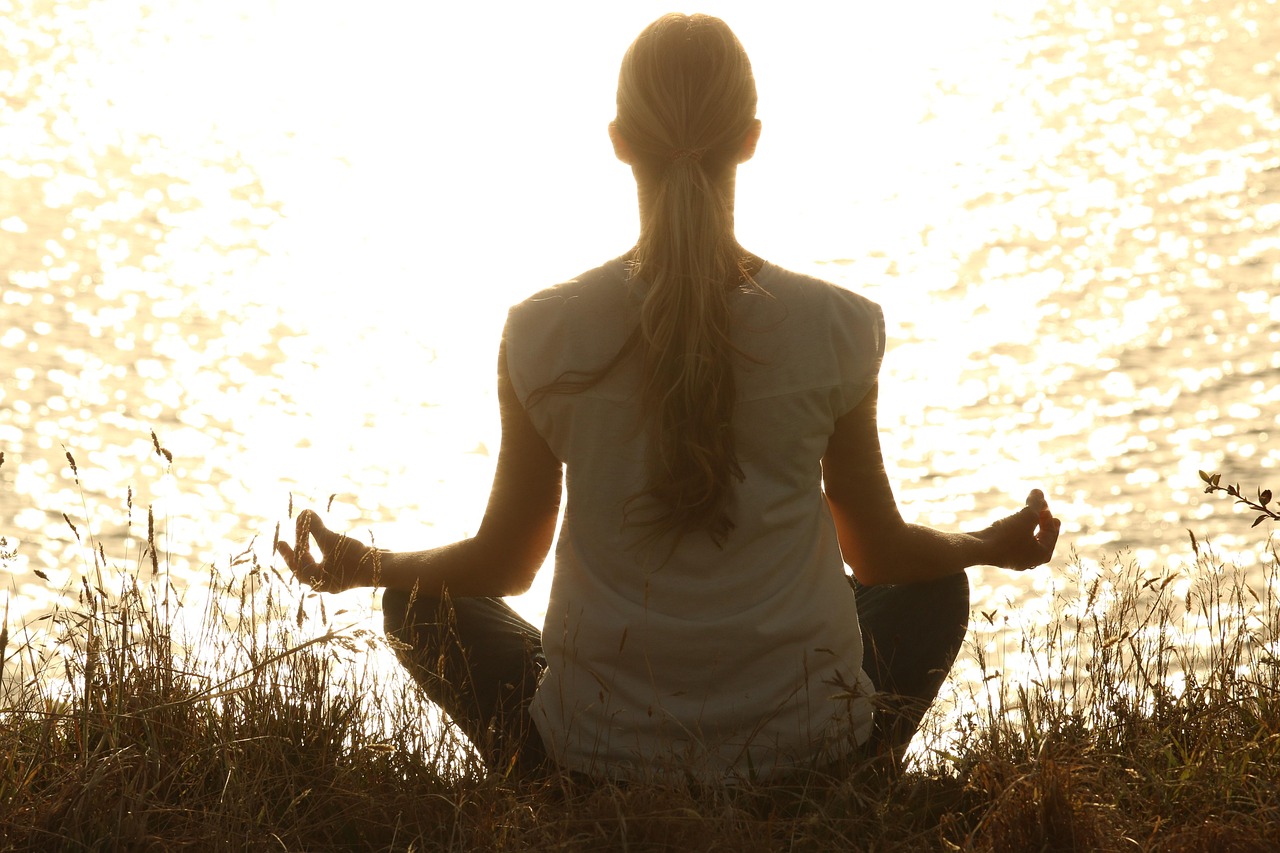
🌈 Your Invitation to Begin Today
You don’t need to wait for the perfect moment, the right circumstances, or more time. Five minutes is enough. Right now is enough. You, exactly as you are, are enough to begin.
Choose one technique from this article that resonates with you. Commit to practicing it once daily for the next week. Set a reminder right now, before you forget or talk yourself out of it. Decide where and when you’ll practice, removing decision fatigue from the equation.
Remember that mindfulness isn’t about achieving a particular state or becoming a different person. It’s about showing up for yourself, moment by moment, with curiosity and kindness. Some days will feel easier than others, and that’s perfectly normal.
The most important practice is the one you’ll actually do. Five minutes of consistent practice beats an hour of practice you keep postponing. Start small, be patient with yourself, and trust the process. Your future self will thank you for beginning today.
These simple awareness check-ins might seem modest, but they’re powerful tools for transformation. In just five minutes, you can shift from autopilot to awareness, from stress to calm, from disconnection to presence. That’s not just time well spent—it’s an investment in a happier, healthier, more fulfilling life. Your journey to greater mindfulness begins with a single breath, a single moment, a single choice to be present. Why not make that choice right now?